Annual Safety & Calibration Service for Therapy and Rehab Clinics
What it is, why it matters, and what to expect
Therapy equipment can look normal even when output, tension readings, or electrical safety have changed. A planned service visit helps identify problems before continued use. The device model, manufacturer instructions, facility requirements, and agreed scope determine which inspections, tests, and calibration procedures apply.
Quick Reference
| Equipment we service | What we check |
|---|---|
| Therapeutic ultrasound | Output power and timing against the manufacturer's procedure; applicator and cable condition; functional test. |
| Mechanical traction units | Cord, tension accuracy, safety release, and patient switch; calibration or other tests only as specified for the exact model. |
| Fluidotherapy and similar thermal units | Heater and motor operation, temperature performance against the manufacturer's test, and safety cutoffs. |
| Powered treatment tables and rehab equipment | Lift and tilt function, limit and safety switches, electrical safety, cord and connector condition. |
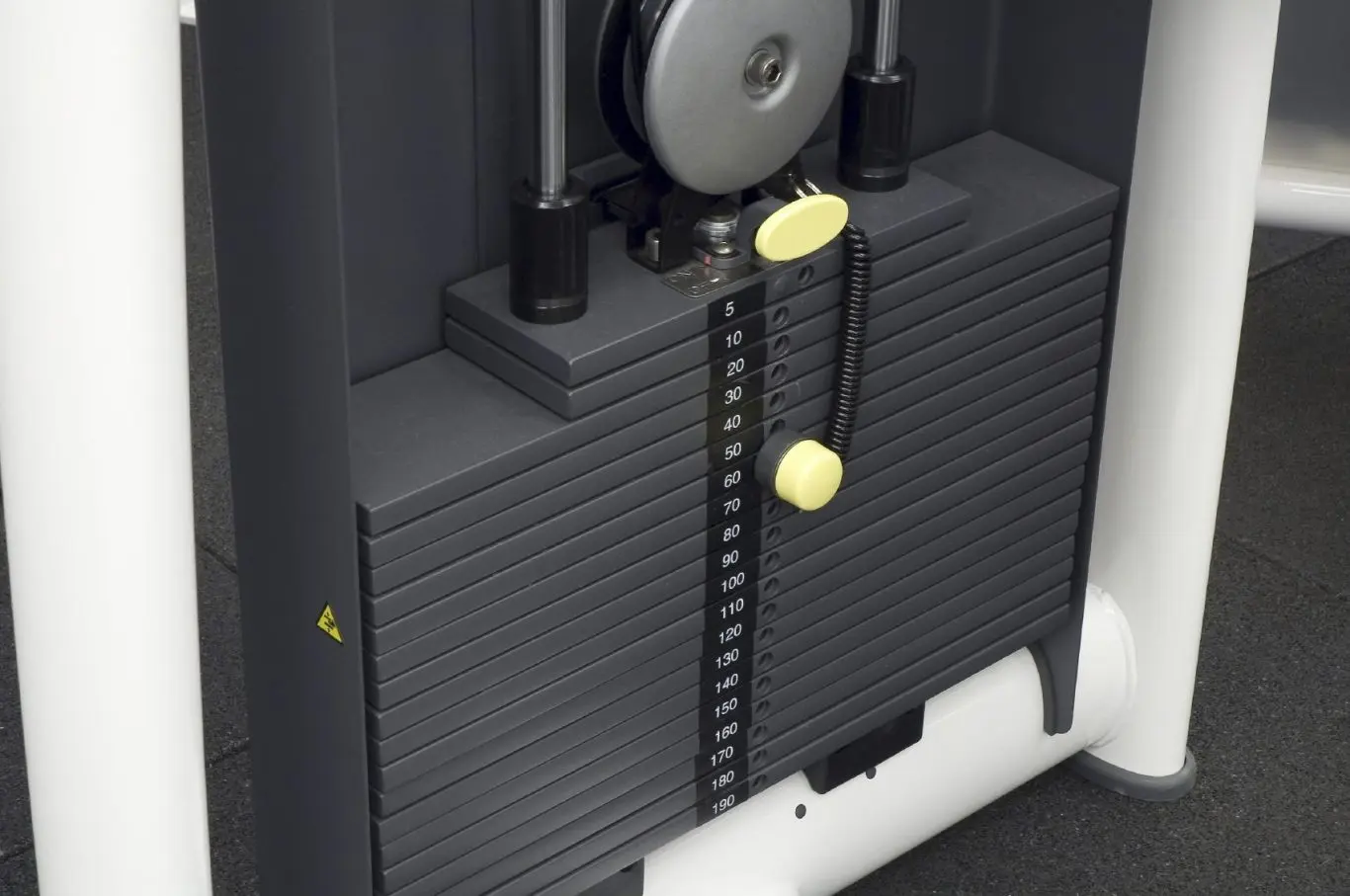
| Therapy and rehab exercise equipment | Mechanical, electrical, and safety checks for cycles, steppers, treadmills, and strength equipment used in rehab. |
Why it matters
- Patient safety: electrical leakage, damaged cords, and failing ground connections are checked and measured, not assumed.
- Output verification: where applicable, readings are checked against the manufacturer's tolerances using suitable test equipment. Testing does not guarantee a treatment outcome.
- Service intervals: follow the exact device manual and your facility's program. Annual service is a planning option, not a universal calibration requirement for every device.
- Records: a dated, documented service history supports your own compliance, risk-management, and insurance requirements.
How to prepare
- Gather a list of your units, with models and serial numbers if you have them.
- Tell us about unusual behavior, error codes, drops, or previous service elsewhere.
- Let us schedule around your patient hours — early morning, midday, or after hours.
- Free up access to each unit and its applicators, cables, patient switches, and other accessories.
A note on compliance
- Accreditation and licensing requirements differ by facility and state. Ask your compliance officer or accrediting body what your clinic requires.
- We provide documentation to support your records, not a replacement for your own compliance program. A service-date label alone is not a calibration certificate.
Step-by-Step Care
1. Inventory and identify
We list each device by make, model, and serial number and note its condition and last service date.
2. Electrical safety testing
We inspect cords, plugs, and housings. Applicable grounding and leakage tests follow the device instructions and the facility's identified requirements; tests depend on the equipment's electrical class.
3. Functional and output verification
We verify applicable functions and outputs within the agreed scope, using the model's procedure and suitable test equipment. Availability of procedures and equipment is confirmed before calibration is offered.
4. Adjust, repair, or tag
Adjustments are made only where the model's procedure permits and the required resources are available. Failed or unsafe units are identified for removal from use, with findings and next steps documented.
5. Document
Records identify completed tests, results, work done, and any limits. The documented scope is tailored to each device and its applicable instructions.
Send your equipment list and preferred timing. We will confirm scope, required procedures, documentation, and scheduling. Services and test procedures follow each manufacturer's published instructions for the specific device. Heartbeat Fitness Repair is not affiliated with any manufacturer. This informational guide is not legal or compliance advice.
Back to all maintenance guides.
Heartbeat Fitness Repair — Tampa Bay, FL. Call 727-512-5120 or book online.