
How to Care for Your Cable Machine
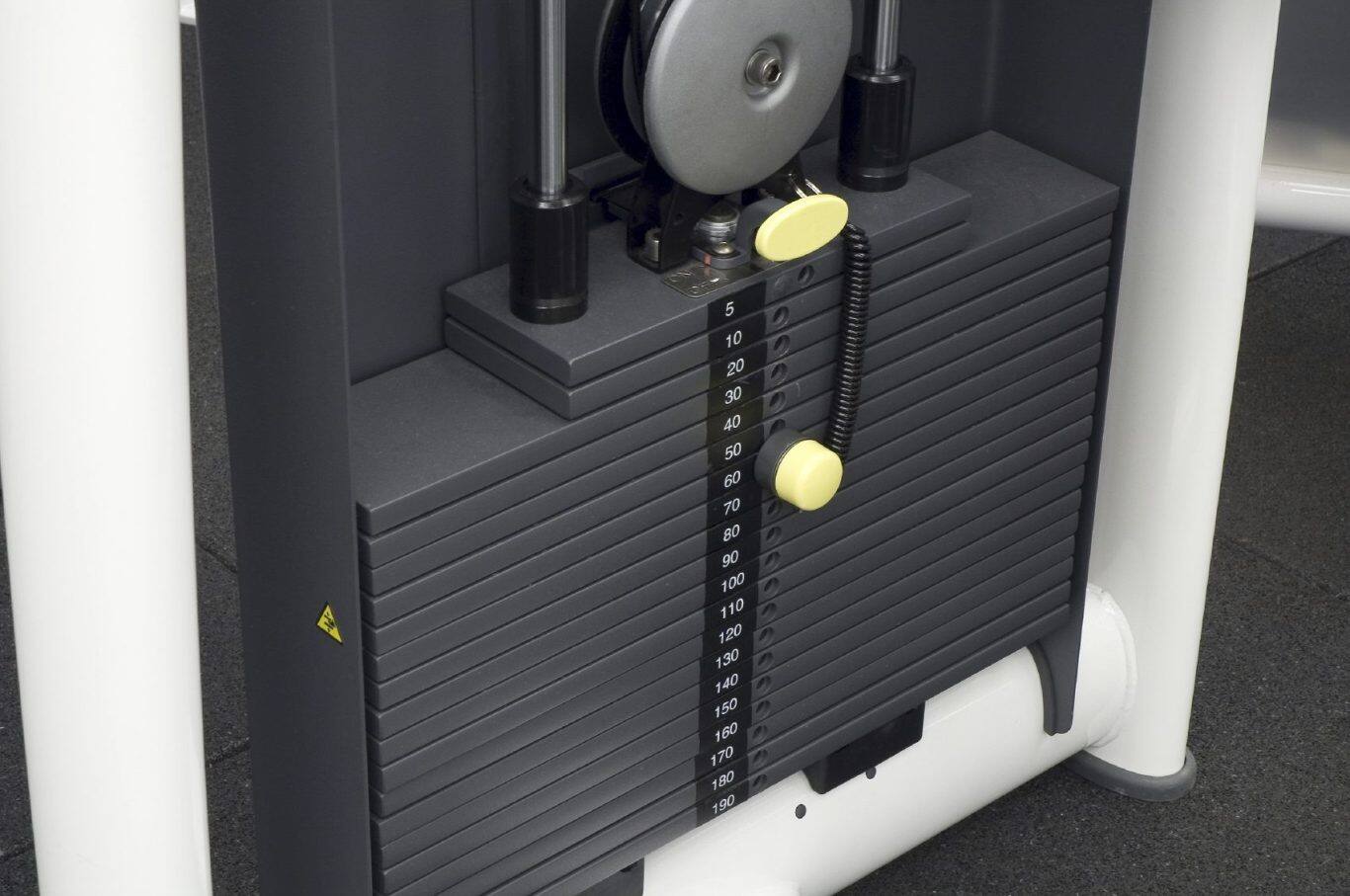
Crossovers & Functional Trainers — Cables, Pulleys & Carriages
Cable machines have more cable, more pulleys, and more direction changes than any other piece of strength equipment. On a crossover or functional trainer a single cable may pass over six or more pulleys, and every one of those is a wear point. This is the machine where cable inspection matters most — and where the consequence of skipping it is a cable letting go with a user pulling against it.
Step-by-Step Care
1. Inspect every cable over its full range monthly
Pull each cable through its complete travel and examine the entire length. The most common failure points: at swage fittings where the cable meets an end terminal, at sharp direction changes in the routing, and at any section that has been kinked. Corrosion at a swage fitting is particularly dangerous because it is partly hidden inside the terminal.
2. Check every pulley as the cable travels
A pulley that has stopped turning drags the cable across a stationary surface and saws through it. Watch each pulley as the cable travels. Every pulley should spin freely with the cable. Do not lubricate pulleys — a squeaking pulley bearing is a failing pulley bearing.
3. Verify adjustable carriage locks
Confirm the lock engages positively at every height. A carriage that releases under load drops the pulley and the resistance with it. Wipe the carriage track clean; check that the locking pin is straight and not worn thin.
4. Clean and lightly lubricate guide rods
Wipe the guide rods top to bottom with a dry cloth, then apply a very thin film of silicone with a cloth. Excess lubricant collects chalk and dust and grinds the bushings faster than no lubricant would.
5. Inspect handles, attachments, and selector pin
Check carabiners, snap hooks, and quick-links for deformation, wear at the gate, and cracking. Confirm the selector pin inserts fully, is not bent or worn thin, and that the retaining lanyard is intact.
Recommended Schedule
| How Often | What to Do |
|---|---|
| After each use | Wipe pads, grips, and handles; return attachments to storage. |
| Weekly | Confirm the stack travels smoothly; check the selector pin and any carriage locks. |
| Monthly | Inspect every cable over its full length; check all pulleys spin freely; clean and lightly lubricate guide rods. |
| Quarterly | Inspect attachments, carabiners, and handles; check frame hardware and leveling. |
| Annually | Professional preventive maintenance including full cable, pulley, and bushing inspection. |
Please Avoid
- Using the machine with any fraying or broken cable strands
- Lubricating cables or pulleys
- Letting the stack drop or slam, which shock-loads every cable and pulley
- Over-lubricating guide rods
- Loading an adjustable carriage that does not lock positively
- Using a bent selector pin, or a substitute pin
When to Call Us
- Any fraying, broken strands, or kinking on any cable
- Corrosion or damage at a swage fitting or cable end
- A pulley that squeaks, sticks, or no longer spins freely
- A cable that has jumped out of a pulley groove
- A carriage that will not lock, or locks with play
- The stack binds, tilts, grinds, or drops unevenly
Cables are inexpensive to replace and serious when they fail. Our preventive maintenance service inspects every cable over its full length including the hidden runs, checks every pulley, and evaluates carriage mechanisms and locking hardware.
Frequently Asked Questions
- How often should I inspect the cables on my cable machine?
- Inspect every cable over its full range monthly. Pull each cable through its complete travel and examine the entire length. Check at swage fittings, at sharp direction changes in the routing, and at any kinked section — these are the most common failure points on cable crossovers and functional trainers.
- What should I look for when inspecting a cable machine cable?
- Look for fraying, broken strands, flattened or kinked sections, and any point where the outer coating has split. Pay close attention to swage fittings where the cable meets an end terminal — corrosion there is partly hidden inside the terminal and is particularly dangerous.
- Should I lubricate cables or pulleys on my cable machine?
- No. Never lubricate cables or pulleys. A squeaking pulley bearing is a failing pulley bearing — do not spray it and continue using the machine. A pulley that has stopped turning drags the cable across a stationary surface and will saw through it.
- What lubricant should I use on cable machine guide rods?
- Wipe the guide rods with a dry cloth, then apply a very thin film of silicone with a cloth — a film you can feel rather than see. Excess lubricant collects chalk and dust and grinds the bushings faster than no lubricant at all would.
- When should I take my cable machine out of service immediately?
- Take the machine out of service the same day if you find any fraying, broken strands, or kinking on any cable; if a cable has jumped out of a pulley groove; if a pulley squeaks, sticks, or no longer spins freely; or if a carriage will not lock positively.
Download the free PDF guide: How to Care for Your Cable Machine (PDF)
Back to all maintenance guides.
Heartbeat Fitness Repair — Tampa Bay, FL. Call 727-512-5120 or book online.