Physical Therapy Equipment Repair & Service
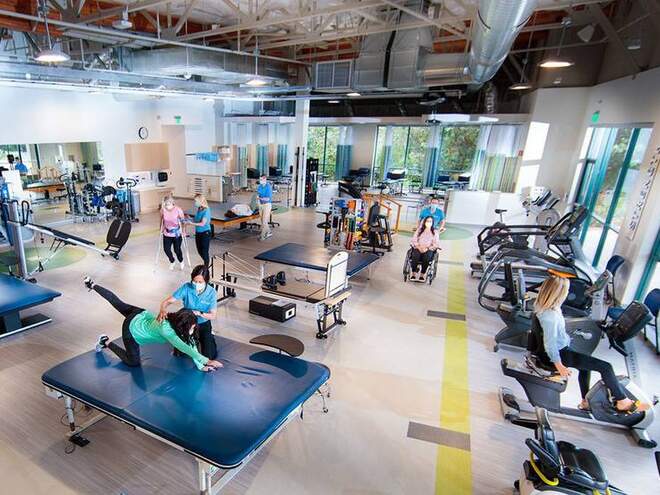
When equipment goes down in a physical therapy clinic, it isn't an inconvenience — it's a scheduling problem. Patients have appointments, treatment plans depend on specific machines, and a recumbent stepper out of service on Monday affects every plan of care that week.
Heartbeat Fitness Repair provides on-site repair, calibration, and preventive maintenance for physical therapy clinics, outpatient rehabilitation practices, and private-practice therapy centers across Tampa Bay. We service both the cardio and strength equipment your therapists actually use, and all work happens at your facility — no equipment leaves the building.
Call 727-512-5120 or schedule service online.
In a busy outpatient or private-practice clinic, the equipment doing the most work — the NuStep recumbent cross trainer, SciFit upper body ergometer, and Biodex line — sees repetitive use hour after hour, which is exactly the pattern that wears seat rails, resistance mechanisms, and linkages faster than a home gym setting ever would.
Equipment We Service in Physical Therapy Clinics
Clinical equipment is a different category from residential or commercial gym equipment. Machines are built for repetitive, supervised, low-impact use by patients with limited mobility, and they fail differently.
Cardio and gait equipment:
- NuStep recumbent cross trainers — the workhorse of most physical therapy and rehabilitation settings. Seat rails, arm linkages, resistance mechanisms, console faults.
- SciFit recumbent and upper body ergometers, including step-through and wheelchair-accessible models
- Biodex rehabilitation equipment — treadmills, upright and recumbent bikes, and recumbent steppers including the BioStep line
- Upper body ergometers — arm crank units used heavily in shoulder and cardiac protocols
- Recumbent bikes — Life Fitness, Precor, Matrix, SciFit
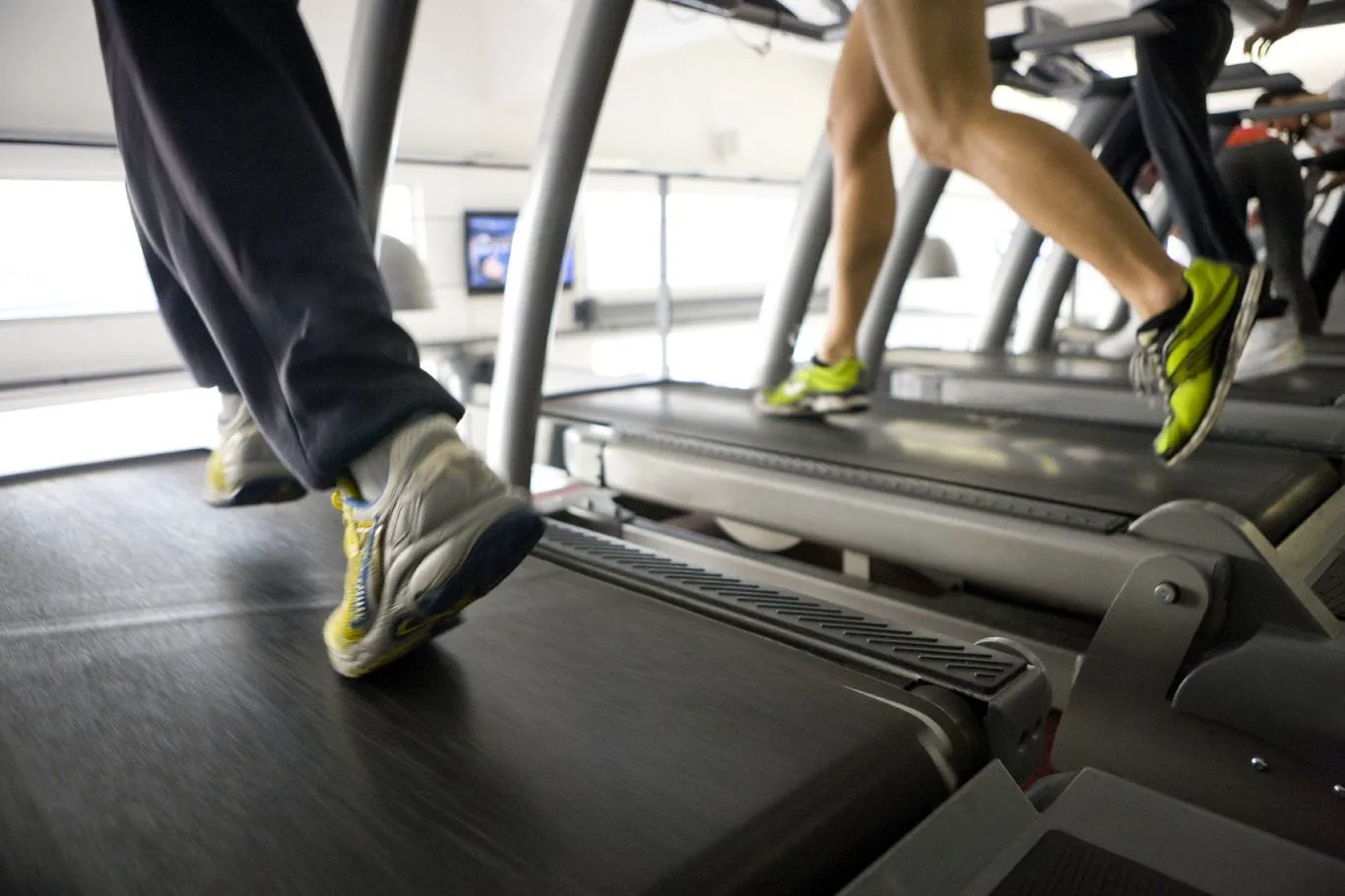
- Treadmills — including low-speed and gait-training applications
Strength equipment:
- Leg press units
- Functional trainers and cable systems
- Selectorized strength stations
- Multi-station units
Brands we service most in Tampa Bay clinics: Life Fitness, Precor, Matrix, SciFit, NuStep, and Biodex. Precor is especially common in private-practice therapy centers.
Why Physical Therapy Practices Work With Us
We come to you. Every repair happens on-site. Your equipment stays in the building and your treatment space stays intact.
We service cardio and strength. Most repair companies handle one or the other. Your clinic runs both, and you shouldn't need two vendors.
We understand clinical use patterns. A recumbent stepper in a physical therapy clinic runs eight hours a day at low resistance with constant seat adjustment. That produces different wear than a home machine — bearing, bushing, and linkage wear rather than the motor failures common in high-intensity settings. We know what to inspect.
Calibration, not just repair. We calibrate and verify equipment to manufacturer specification — treadmill speed and incline, resistance systems, cable tension, pulley alignment, and full range of travel on strength equipment.
Written quotes before work. You get the cost in writing before any repair begins, which matters when you're working against a facility budget or waiting on approval.
Healthcare experience. We hold annual preventive maintenance contracts with government and VA healthcare facilities, regional hospital systems, and physical therapy practices throughout West Central Florida.
Common Failure Points by Equipment Type
- NuStep seat rails and arm linkages: the seat sticking or refusing to slide smoothly on its rail, a grinding or clicking sound during the seat's fore-aft travel, or arm linkages developing play at the pivot points that shows up as a knock during the stroke.
- SciFit resistance systems: resistance that steps down partway through a session, feels inconsistent between the low and high end of the range, or doesn't respond when changed from the console.
- Upper body ergometers: crank arms developing side-to-side play, a resistance setting that won't hold, or a bearing that grinds as it turns.
- Biodex cardio equipment: recumbent stepper linkages losing their smooth motion, belts on Biodex treadmills tracking off to one side, or a display reading that doesn't match what the machine is actually delivering.
- Treadmill belts, motors, and decks: belts slipping under load, an uneven "hump" feel underfoot from tension that's off on one side, deck boards that have gone soft or started to squeak, and drive motors that hesitate on startup.
- Cable systems: cables fraying where they contact the pulley, pulleys that drag instead of spinning freely, and housings that develop slack over time.
- Leg press units: a carriage that doesn't glide evenly on both sides, linear bearings worn unevenly from one-sided loading, and selector pins or plate stops that don't seat securely.
Our Calibration Process
- On cable and pulley systems — equipment PT clinics run through the widest range of motion — we confirm tension stays even through the full range of travel and that the cable tracks straight through each pulley without rubbing the housing.
- On leg press units, we check that both sides of the carriage glide evenly and that the resistance or plate-loading path holds a consistent feel from start to finish.
- On treadmills, we verify the belt's actual speed matches the console display and check incline accuracy across the range the machine is rated for.
- On other resistance-based equipment — recumbent bikes, steppers, and ergometers — we run through the low, middle, and high resistance levels and compare what you feel against what the console reports.
- Where a machine has drifted out of spec, we adjust it back and record both the reading we found and the reading we left it at.
Service Documentation Built for Clinical Environments
Every visit produces a written Hospital / Clinical Service Report designed to drop directly into your facility's equipment records:
- Equipment identification — asset tag number, manufacturer, model, serial number, and location within the facility
- Work order reference and date of service
- Itemized description of work performed
- Operational status — fully operational, operational/monitor, out of service pending parts, out of service pending labor, or condemned/do-not-use
- Overall condition rating on a five-point scale
- Parts replaced or installed
- Lubrication and belt alignment record
- Safety concerns for facility staff, flagged explicitly
- Immediate needs and pending items
- Future repairs recommended, with estimated cost and recommended follow-up timeline
- Technician signature and facility representative acknowledgment
The condition ratings and future-repair estimates give facility managers what they need for capital planning and budget requests — not just a record that someone showed up.
A few of these lines do the most work for you: the operational status answers "can this be used right now" without a phone call, the five-point condition rating flags a machine sliding toward failure before it actually fails, and the parts-replaced line builds a history so a repeat failure is visible instead of looking like something new.
How Service Works
- Call or book online. Tell us the equipment brand, model if you have it, and what's happening.
- We schedule around your patient hours. We're available from 5:00 AM Monday through Friday, which lets us complete most work before the first appointment.
- On-site diagnostic and written quote. We assess the equipment and give you the cost before any repair begins.
- Repair completed. Most repairs finish in a single visit. If a part must be ordered, there's no second service call fee when we return.
Frequently Asked Questions
- Do you service NuStep recumbent cross trainers?
- Yes. NuStep units are among the most common machines we service in physical therapy and rehabilitation settings across Tampa Bay. We handle seat rail issues, arm linkage problems, resistance mechanism faults, and console failures.
- Do you service Biodex rehabilitation equipment?
- Yes. We service Biodex treadmills, upright and recumbent bikes, and recumbent steppers including the BioStep line.
- Do you calibrate equipment or only repair it?
- Both. We calibrate and verify equipment to manufacturer specification, including treadmill speed and incline, resistance systems, cable tension, pulley alignment, and full range of travel on strength equipment.
- Can you service equipment during clinic hours?
- Yes, though most clinics prefer early morning. We start at 5:00 AM Monday through Friday, which usually lets us complete work before the first patient arrives.
- Do you provide service documentation for our maintenance records?
- Yes. Every visit produces a written clinical service report including equipment identification, serial number, work performed, parts replaced, operational status, condition rating, safety concerns, and recommended follow-up with cost estimates.
- Do you offer preventive maintenance contracts for physical therapy clinics?
- Yes. We provide annual preventive maintenance programs covering your full equipment inventory. See our preventive maintenance contracts.
- Do you service multiple locations?
- Yes. We work with multi-site practices across Tampa Bay and can schedule service across all locations under a single program.
- What does clinic equipment service cost?
- Clinical and commercial service is quoted separately from residential rates, based on equipment count, service frequency, and facility location. Call 727-512-5120 for a quote.
BBB Accredited Business

Heartbeat Fitness Repair is fully licensed and insured, and a BBB Accredited Business with a clean complaint history. Verify our BBB profile →
Call 727-512-5120 or book online. Back to Biomedical Service, or request a facility quote. See also Chiropractic & Therapy Table Service.