
Annual Preventive Maintenance Contracts
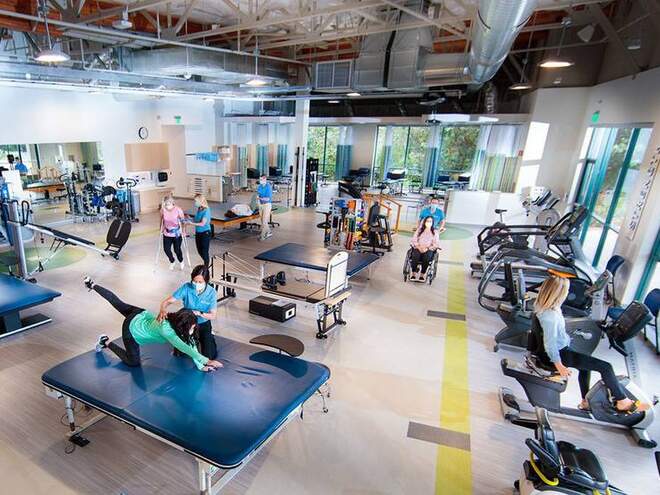
Most facilities call a repair company when something breaks. The facilities that stop having emergencies are the ones on a scheduled maintenance program.
Heartbeat Fitness Repair provides annual preventive maintenance contracts for healthcare facilities, physical therapy practices, senior living communities, and commercial fitness environments across Tampa Bay. We currently hold preventive maintenance contracts with government and VA healthcare facilities, regional hospital systems, and physical therapy practices throughout West Central Florida.
Call 727-512-5120 to discuss a program for your facility.
A preventive maintenance program only works if it actually catches the failure points specific to your equipment mix — the seat rails and linkages on recumbent trainers, the resistance systems on bikes and steppers, the belts and decks on treadmills, and the cables and pulleys on strength equipment — before they turn into an out-of-service machine.
What a Preventive Maintenance Contract Includes
- Scheduled inspection of every machine in your equipment inventory
- Calibration and verification to manufacturer specification — treadmill speed and incline, resistance systems, cable tension and travel
- Lubrication and belt alignment
- Cable, pulley, and linkage inspection on strength equipment
- Console and electronic diagnostics
- Wear item identification and replacement
- Written clinical service report for every machine serviced
- Equipment inventory documentation including asset tags and serial numbers
- Safety concern flagging for facility staff
- Future repair recommendations with cost estimates for budget planning
- Preferential rates on parts and labor for contract clients
What We're Actually Checking For
- Recumbent and step-through equipment (NuStep, SciFit): seat rail travel, arm linkage play, and resistance response.
- Cardio with belts and decks (treadmills, Biodex): belt tracking and tension, deck condition, and motor startup behavior.
- Strength and cable equipment: cable fraying, pulley drag, and carriage and rail alignment on leg press and multi-station units.
- Consoles and displays across all equipment types: accuracy against actual output, not just whether the display lights up.
Our Calibration Process
- We start with the manufacturer's stated specification for the specific machine — speed and incline on treadmills, the resistance curve on bikes, steppers, and ergometers, or cable tension and travel on strength equipment.
- Across your cardio equipment, we check that treadmill belt speed and incline match what the console reports, and that resistance-based machines respond accurately at low, middle, and high settings.
- Across your strength and cable equipment, we confirm cable tension stays consistent through the full range of travel and that carriages and pulleys move freely without drag.
- Where a machine has drifted out of spec, we adjust it back and record both the reading we found and the reading we left it at, so there's a record of what changed across the whole inventory.
Because a preventive maintenance visit covers every machine in one pass, calibration on a contract program tends to catch drift earlier than it would under a break-fix arrangement, where a machine typically isn't looked at again until something is already wrong with it.
Why Facilities Move to Scheduled Maintenance
Emergencies cost more than prevention. A belt replaced on schedule costs a fraction of a motor replaced after a worn belt destroyed it. Deferred maintenance is the most expensive way to run an equipment inventory.
Downtime affects operations. In a physical therapy clinic, a machine out of service affects treatment plans. In cardiac rehab, it affects session capacity. In senior living, it generates resident complaints and safety exposure. Scheduled service prevents most of it.
Documentation for compliance and liability. Facilities need records showing equipment has been maintained and that unsafe equipment was formally removed from service. Every visit produces written documentation, including a condemned / do-not-use designation where appropriate.
Budget planning. Our reports include future repairs recommended with estimated cost and follow-up timeline, which gives facility managers what they need for capital requests instead of surprise expenses.
One vendor for cardio and strength. We service both, across all major clinical and commercial brands, so your full inventory is covered under one program.
Why the Report Format Matters
The difference between a maintenance record and a useful one is whether it answers questions later. The condition rating lets you compare this visit to the last one instead of relying on memory. The future-repairs line with a cost estimate turns your inventory into something you can budget against instead of react to. And the operational-status field means anyone on staff can check whether a machine is cleared for use without tracking down whoever was here.
Who These Programs Are For
- Physical therapy and outpatient rehabilitation practices
- Hospital-based rehabilitation and cardiac rehab programs
- Government and VA healthcare facilities
- Senior living, assisted living, and continuing care retirement communities
- Multi-location practices and property management companies
- Commercial gyms, hotels, and corporate fitness centers
Most of these facilities share the same underlying equipment mix — recumbent trainers, treadmills, and cable-based strength stations — which is why a single program can realistically cover cardio and strength together instead of splitting service between two vendors. It also means a technician familiar with your equipment mix from one visit is likely to catch developing issues on that same equipment during the next scheduled visit, rather than starting from scratch each time.
How to Start
- Call 727-512-5120. Tell us your facility type and roughly how many machines you have.
- We assess your inventory. An initial walkthrough documents every machine — asset tag, manufacturer, model, serial number, location, and current condition.
- We propose a program. Service frequency and scope based on your actual equipment and usage, not a generic package.
- Scheduled service begins. You receive a service calendar and full documentation after every visit.
Frequently Asked Questions
- How much does a preventive maintenance contract cost?
- Contracts are quoted based on equipment count, service frequency, facility type, and location. Call 727-512-5120 for an inventory assessment and quote.
- What's included in a preventive maintenance visit?
- Inspection of every machine in your inventory, calibration and verification to manufacturer specification, lubrication and belt alignment, cable and pulley inspection, console diagnostics, wear item replacement, and a written service report per machine.
- What documentation do we receive?
- A written clinical service report for each machine serviced, including asset tag and serial number, location, work performed, parts replaced, operational status, five-point condition rating, safety concerns, and future repairs recommended with cost estimates.
- Do you work with government and VA facilities?
- Yes. We hold annual preventive maintenance contracts with government and VA healthcare facilities in West Central Florida.
- Do you service multiple locations under one contract?
- Yes. We work with multi-site practices and management companies across Tampa Bay under single programs.
- Do contracts cover both cardio and strength equipment?
- Yes. We service cardio and strength across all major clinical and commercial brands, so your full inventory is covered under one program.
- Can you formally document equipment that should be removed from service?
- Yes. Our reports include a condemned / do-not-use operational status, giving your facility written documentation that a machine was assessed and removed from use.
BBB Accredited Business

Heartbeat Fitness Repair is fully licensed and insured, and a BBB Accredited Business with a clean complaint history. Verify our BBB profile →
Call 727-512-5120 or book online. Back to Biomedical Service, or request a facility quote.