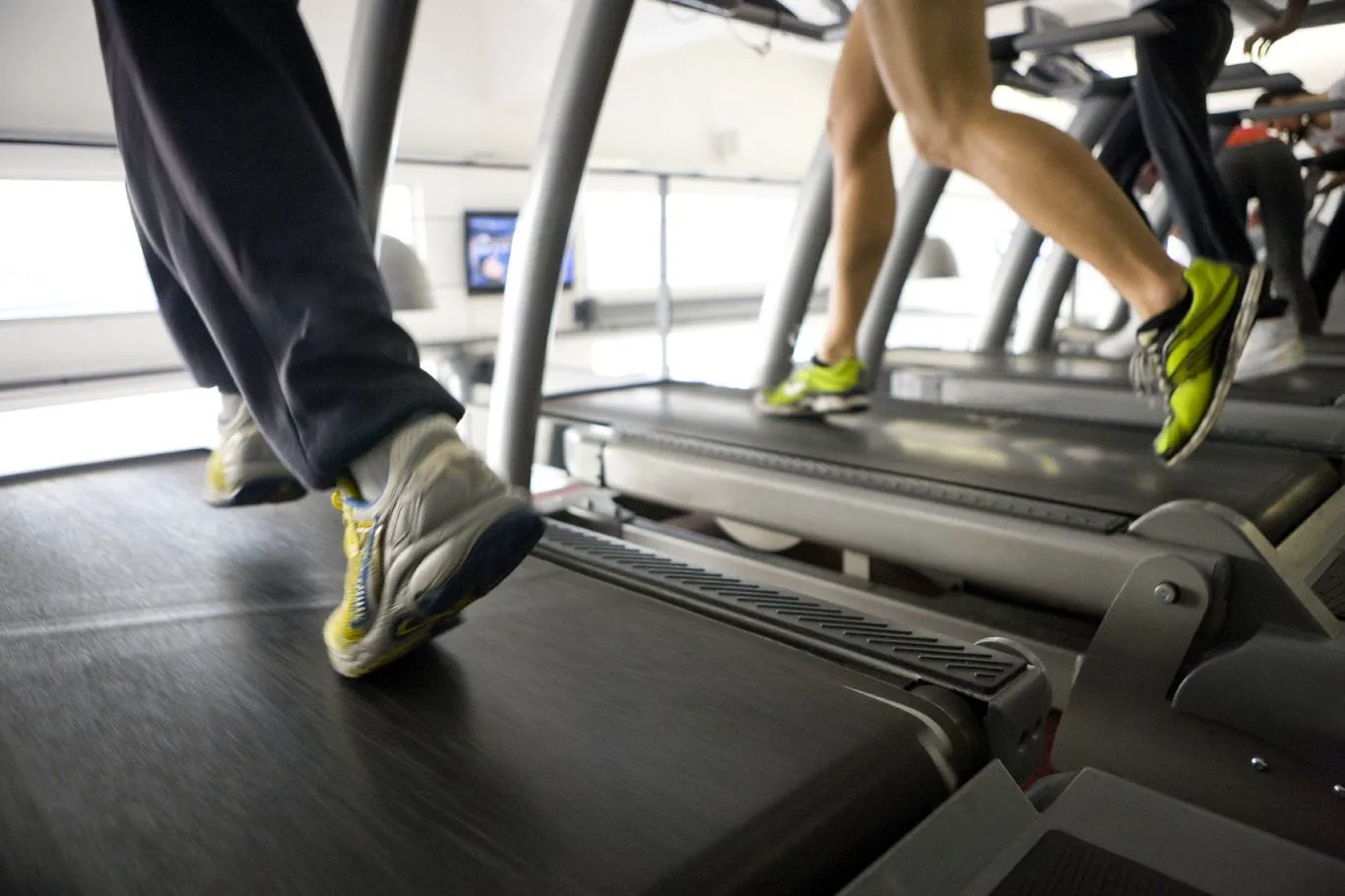
Buying Used Fitness Equipment
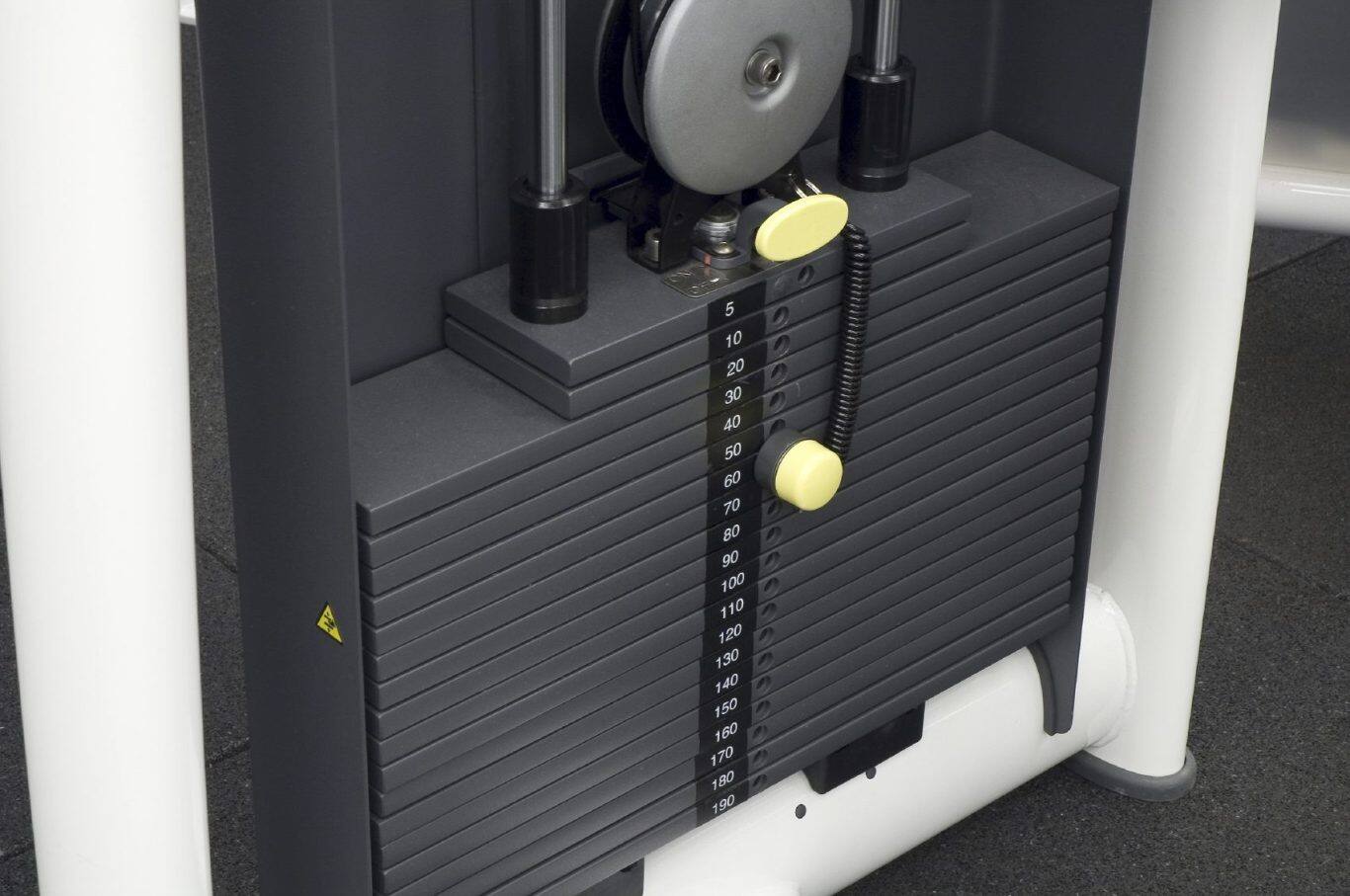
Inspection Checklist — What to Check Before You Hand Over Cash
Direct answer: test the machine under load and check the parts that fail silently — belt and deck condition, cable fraying, and electronics — before you buy, not after. Used fitness equipment can be an outstanding value. A quality commercial or premium residential machine bought secondhand often outperforms a brand-new entry-level unit at the same price. It can also be an expensive mistake, because the failures that matter are usually invisible while the machine is sitting still.
Questions to ask before you drive out
- What is the brand, model, and approximate age? Can I get the serial number?
- Is it currently plugged in and working? Can you demonstrate it when I arrive?
- Has it ever been serviced or repaired, and by whom?
- How often was it used, and by how many people?
- Where has it been stored — conditioned space, garage, or outdoors?
- Why are you selling it?
Check every machine for these
- Frame is straight, with no cracks, bends, or rust at the welds
- No flex or wobble when you push firmly on the uprights
- All shrouds and covers present and not cracked
- Hardware present and tight — no missing bolts or obvious substitutions
- Console powers on and all functions respond
- Display fully lit — no dead pixels or dim sections
- Model and serial number plate present and legible
Treadmill-specific checks
- Run it at walking speed, then faster — listen for grinding or squealing
- Walk on it under load — the belt must not hesitate or slip
- Belt tracks centered and does not drift toward one side
- Belt surface is not glazed, cracked, frayed, or worn shiny at the center
- Reach under the belt — the deck should feel slick, not dry or gritty
- Incline raises and lowers through its full range without grinding
- Safety key stops the belt immediately
- No burning smell during or after the test run
Elliptical, bike, or stepper
- Use it for a full minute and listen for squeaks, clicks, or knocking
- Motion feels smooth, not notchy, rough, or uneven side to side
- Grab foot pedals and handlebars — check for excess play or rocking
- Resistance actually changes, and changes noticeably between levels
- On an elliptical, check rollers for flat spots and the ramp for wear
- On a bike, confirm the seat post and handlebar post move and lock
- On a stepper, confirm both steps feel equal and neither sinks faster
- Pedals are tight in the crank arms with no wobble or clicking
Strength equipment with a weight stack
- Pull every cable through its full travel and inspect the entire visible length for fraying, broken strands, or kinks
- Every pulley spins freely and the cable sits squarely in each groove
- Weight stack travels smoothly and quietly — plates stay level and do not bind or tilt
- Guide rods are smooth, straight, and free of pitting or rust
- Selector pin is straight, not worn thin, and the lanyard is intact
- Upholstery is not split, and pads are firmly attached
- All handles, attachments, and adjustment mechanisms are present and functional
- A frayed cable does not mean walk away — cables are a normal replacement item. It does mean the machine cannot be used until replaced, and the price should reflect that.
Walk away if you see
- A cracked, bent, or visibly rusted frame
- The seller will not or cannot power the machine on
- Heavy rust on guide rods, posts, or hardware from outdoor or damp storage
- A treadmill that hesitates or slows under body weight
- Burning smell, smoke, or a breaker that trips during the test
- A brand that no longer exists on a machine that needs parts
- Obvious improvised repairs — tape, zip ties, mismatched hardware
- Water damage, mildew smell, or standing corrosion inside shrouds
When to Call Us
- You want a pre-purchase inspection before committing to a machine
- You have already bought something and need it moved, assembled, and tested
- You are unsure whether a machine is worth buying or needs more repair than the price reflects
We perform pre-purchase inspections and can tell you what a machine actually needs before you commit, or service it properly once it is home.
Frequently Asked Questions
- What should I check before buying a used treadmill?
- Run it at walking speed and then faster and listen for grinding or squealing. Walk on it under load — the belt must not hesitate or slip. Confirm the belt tracks centered, is not glazed or worn shiny at the center, and that the deck feels slick rather than dry when you reach under. Test the incline through its full range and confirm the safety key stops the belt immediately.
- What are the biggest red flags when buying used fitness equipment?
- Walk away from any machine with a cracked, bent, or visibly rusted frame. Walk away if the seller will not or cannot power the machine on. A treadmill that hesitates or slows under body weight, any burning smell during the test, heavy rust from damp or outdoor storage, a brand that no longer supports the model, or obvious improvised repairs are all deal-breakers.
- What questions should I ask before buying used fitness equipment?
- Ask for the brand, model, and serial number before driving out. Ask whether it is currently working and can be demonstrated powered on. Ask whether it has ever been serviced or repaired. Ask how often it was used, by how many people, and where it has been stored — conditioned space, garage, or outdoors makes a significant difference.
- Can a technician inspect used fitness equipment before I buy it?
- Yes. We perform pre-purchase inspections and can tell you what a machine actually needs before you commit to buying it. A diagnostic identifies what the machine needs, checks the rest of the unit for anything else developing, and gives you an honest repair cost estimate — so you know the full picture before you hand over cash.
Download the free PDF guide: Buying Used Fitness Equipment (PDF)
Back to all maintenance guides.
Heartbeat Fitness Repair — Tampa Bay, FL. Call 727-512-5120 or book online.