
How to Care for Your Stepper
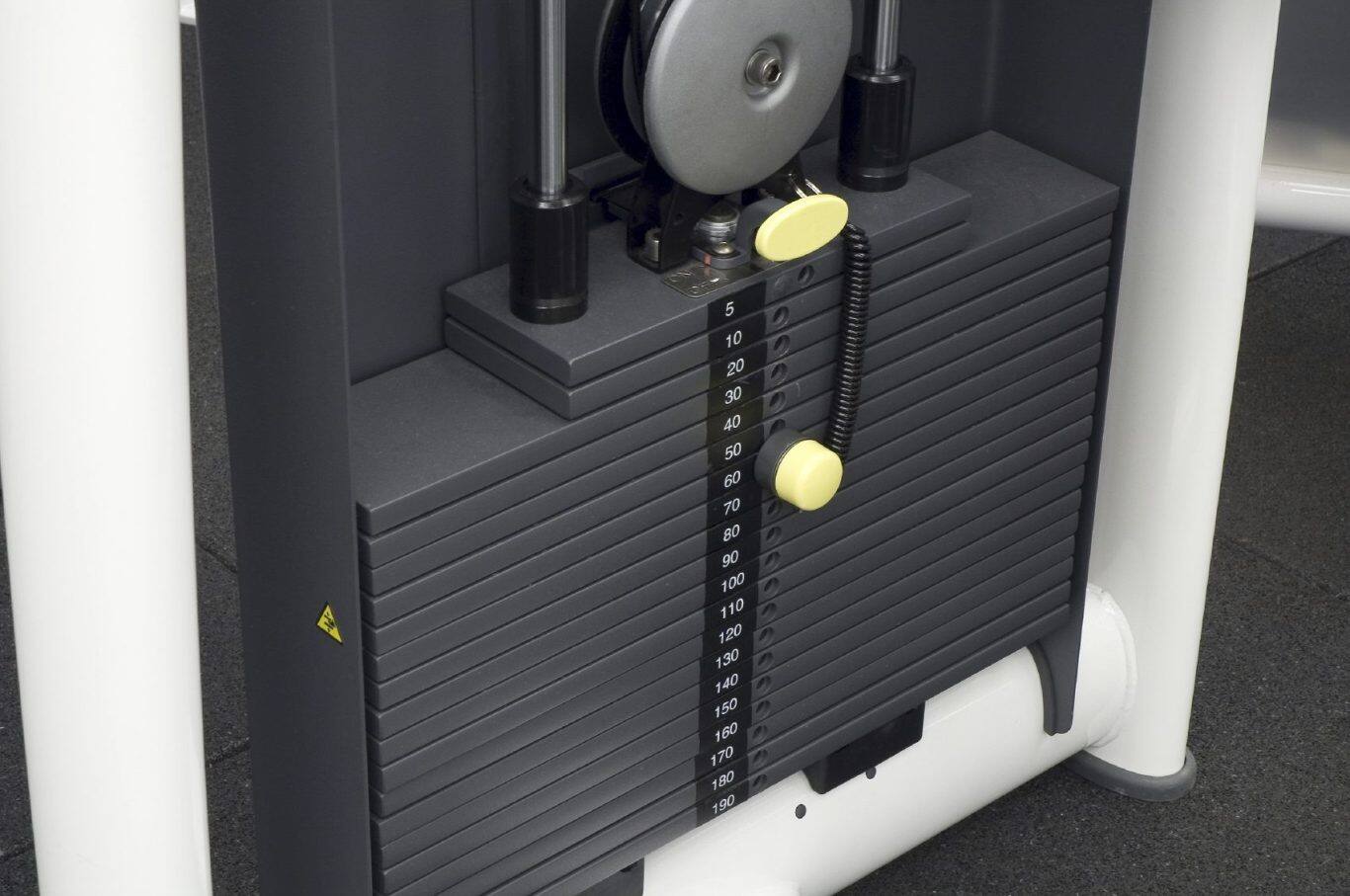
Step Arms, Drive System & Handrails
Steppers and stair climbers take more concentrated load than almost anything else in a fitness room. Your entire body weight drives down through two step arms and their pivot points, thousands of repetitions per workout. That load is why hardware works loose on steppers faster than on other cardio equipment, and why a small amount of routine attention pays off so well.
Step-by-Step Care
1. Wipe down after every use
Clean the handrails, grips, step pedals, console, and frame. Steppers put you standing directly over the drive housing, so sweat runs straight down into the shroud seams and hardware.
2. Check the step pedals and hardware weekly
Push down on each step pedal individually and try to rock it side to side. The steps should feel solid, with no lateral play and no clunking at the top or bottom of travel. Check that visible bolts are snug, without overtightening. Because of the load steppers carry, pedal and step arm hardware is the most likely thing to work loose.
3. Pay attention to how the steps feel
Both steps should offer the same resistance and travel the same distance. If one side has gone soft, sinks faster than the other, or bottoms out, the drive on that side needs to be looked at. On hydraulic units this usually means a cylinder is failing; on chain or belt driven units it points to tension or a worn component. Either way, do not keep using a stepper with uneven steps — it puts the user off balance.
4. Inspect the handrails
Grip each handrail and pull. They should be completely solid. Handrails are what a user grabs when they lose their footing, so any looseness needs to be corrected right away.
5. Keep the shrouds and drive area clean
Wipe dust off the shrouds and around the base. Dust and sweat combine into a paste that works into the drive area and accelerates wear on chains, belts, and bearings.
6. Level the unit
A stepper takes a large, repeated, off-center load, so a machine that is not sitting flat will rock and loosen hardware quickly. Adjust the leveling feet until the base sits solidly on the floor.
Recommended Schedule
| How Often | What to Do |
|---|---|
| After each use | Wipe down handrails, grips, step pedals, console, and frame. |
| Weekly | Check step pedals and handrails for play; confirm both steps feel equal. |
| Monthly | Check visible hardware and leveling; clean dust from shrouds and base. |
| Every 3–6 months | Confirm resistance responds across the full range and travel is even. |
| Annually | Schedule a professional preventive maintenance service. |
Please Avoid
- Continuing to use the machine when one step feels softer or faster than the other
- Removing shrouds to clean or lubricate the drive yourself
- Spraying lubricant into the step arm pivots
- Using the stepper with a loose handrail
- Spraying cleaner directly onto the console
When to Call Us
- One step sinks faster, feels softer, or bottoms out
- Knocking, grinding, or clicking from the drive housing
- A handrail is loose or moves when pulled
- Play or rocking in a step pedal
- Resistance does not change between levels
- The console is blank, frozen, or losing readings
Frequently Asked Questions
- How do I know if one step on my stepper or stair climber is failing?
- If one side has gone soft, sinks faster than the other, or bottoms out, the drive on that side needs to be looked at. Both steps should offer the same resistance and travel the same distance. Do not continue using the machine when the steps feel uneven — the imbalance loads the drive differently on each side.
- How often should I check the hardware on a stepper or stair climber?
- Check step pedals and handrails for play weekly. Push down on each step pedal individually and try to rock it side to side — steps should feel solid with no lateral play and no clunking. Because of the load steppers carry, pedal and step arm hardware is the most likely thing to work loose under regular use.
- Why do handrails on a stepper need to be checked regularly?
- Handrails are what a user grabs when they lose their footing on a stepper, so any looseness needs to be corrected right away. Grip each handrail and pull — it should be completely solid. A loose handrail on a machine that gets heavy use is a safety issue, not just a maintenance item.
- When should I call a technician for stepper or stair climber repair?
- Call when one step sinks faster, feels softer, or bottoms out; when there is knocking, grinding, or clicking from the drive housing; when a handrail is loose or moves when pulled; when there is play or rocking in a step pedal; when resistance does not change between levels; or when the console is blank or frozen.
Download the free PDF guide: How to Care for Your Stepper (PDF)
Back to all maintenance guides.
Heartbeat Fitness Repair — Tampa Bay, FL. Call 727-512-5120 or book online.