What Lubricant Goes Where
Universal Reference Chart for Fitness Equipment
Direct answer: use silicone on frames and light contact points, chain oil on drive chains, and grease only where a bearing or bushing calls for it — never a multi-purpose aerosol. More fitness equipment is damaged by the wrong lubricant than by no lubricant at all. Silicone belongs in some places and nowhere else. Oil belongs on chains and almost nothing else. Grease belongs on very little. And the aerosol can most people reach for first is not a lubricant at all.
What goes where — and what never to use
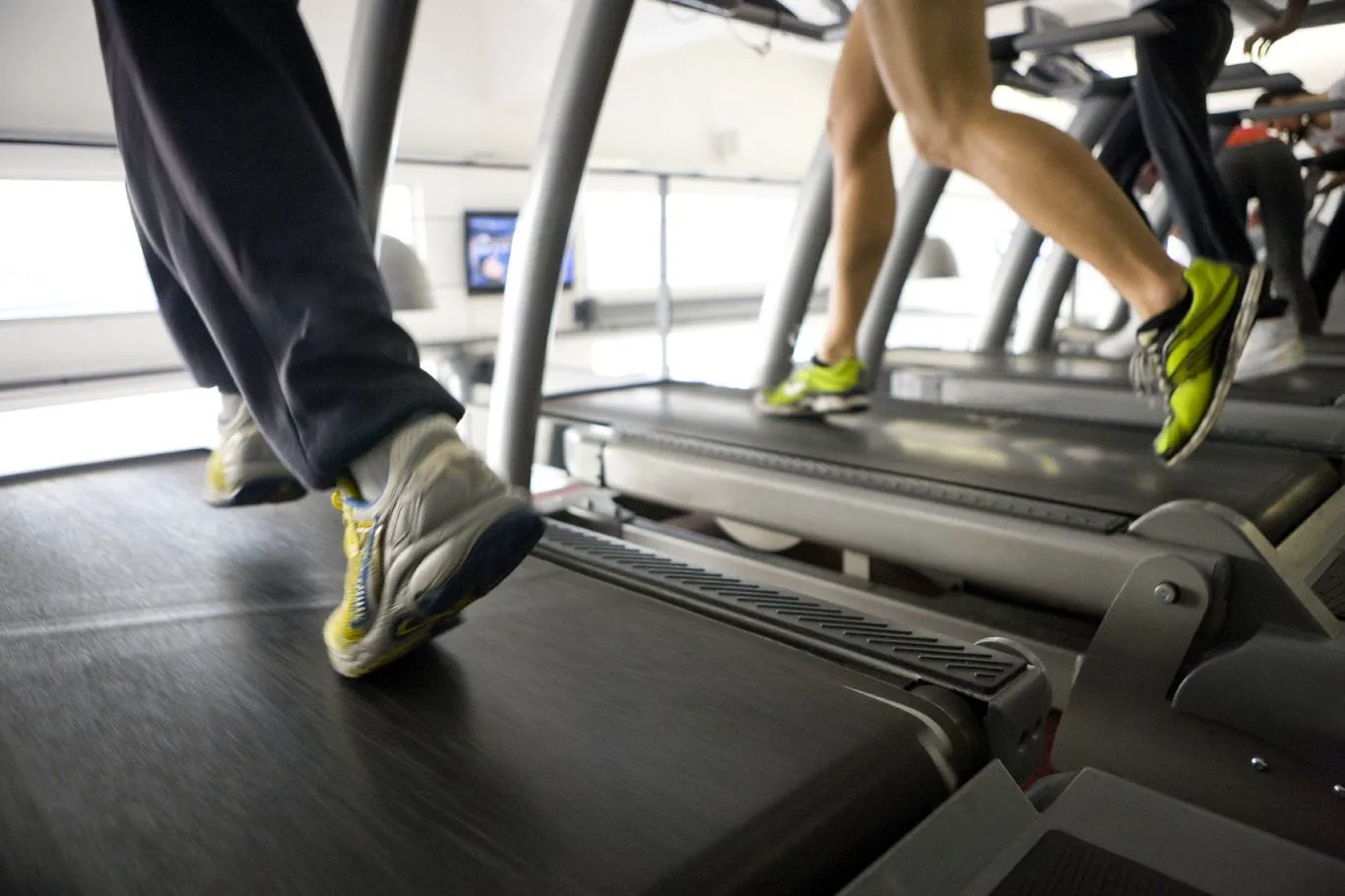
- Treadmill deck (under belt) — 100% silicone only. Never petroleum products, WD-40, grease, or cooking oil. About ½ oz to the deck, not the belt.
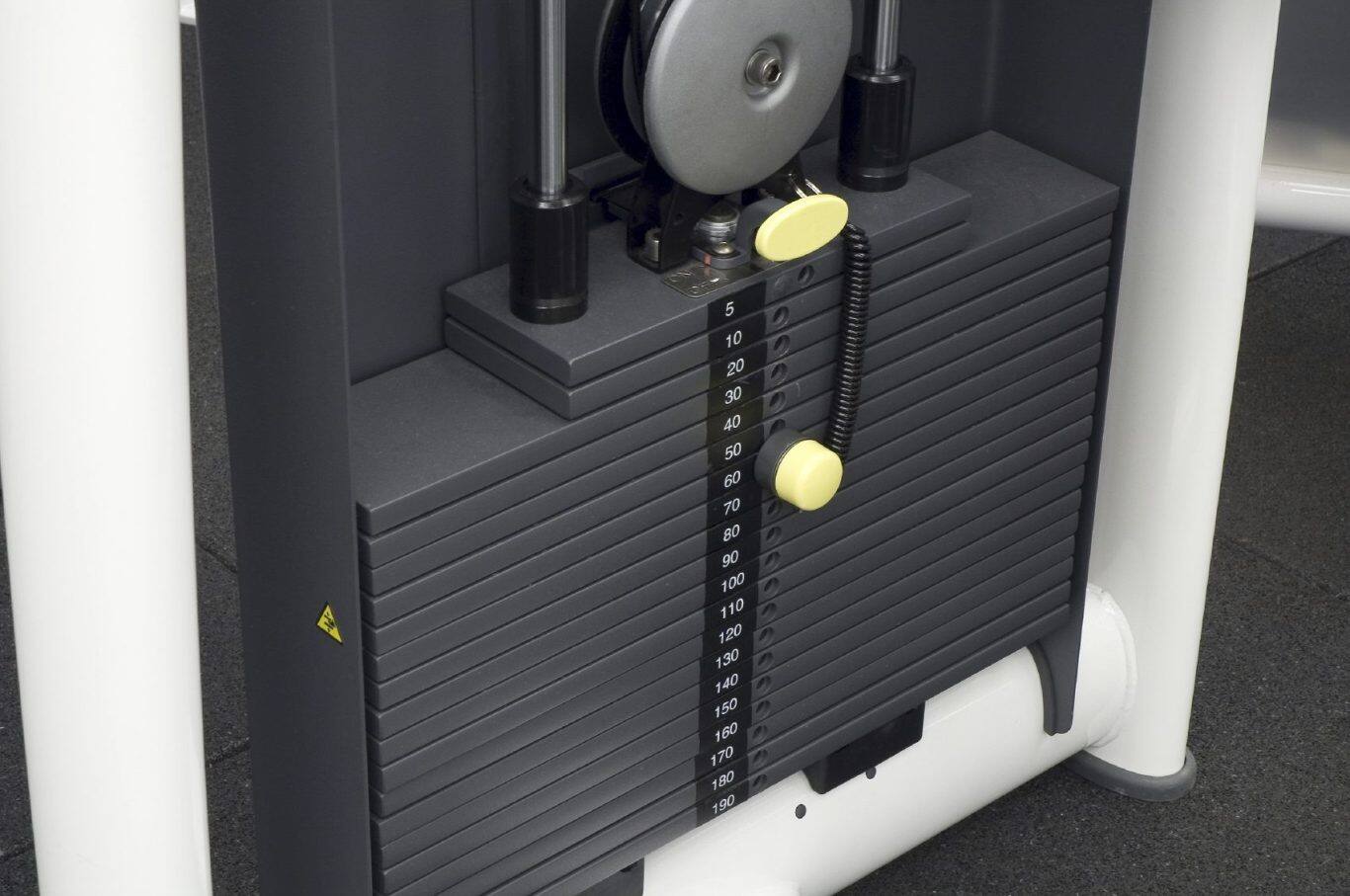
- Weight stack guide rods — light silicone film only. Excess collects grit and grinds bushings faster than no lubricant.
- Chains (rowers, air bikes, stair mills) — light machine oil or bicycle chain lube. A few drops, worked in, wipe off all excess.
- Olympic bar sleeves — light machine oil (3-in-1 type). A few drops into the sleeve while spinning. Wipe the shaft dry so it never reaches the knurling.
- Smith machine and linear bearing rails — light silicone or manufacturer-specified dry lube. Wipe rails clean first.
- Seat posts and handlebar posts — very light silicone wipe only if binding. Cleaning matters more than lubricating.
- Rower rail / monorail — nothing at all. Lubricant on a rail collects grit and destroys seat rollers.
- Elliptical and bike pivots, bearings — nothing by the owner. A squeak needs inspection, not spray.
- Spin bike felt resistance pad — nothing. The pad works by friction. Lubricant ruins it immediately.
- Cables and cable ends — nothing. Cables are inspected, not lubricated. Lubricant hides corrosion.
- Treadmill motor, rollers, drive belt — nothing. These are sealed or friction-dependent.
About WD-40
WD-40 in the familiar blue and yellow can is a water displacer and penetrant, not a lubricant. It is useful for freeing a corroded bolt. On fitness equipment it is actively harmful: sprayed into an elliptical pivot it quietens a failing bearing just long enough for it to destroy itself. Sprayed on a treadmill deck it contaminates the belt. The company makes purpose-specific lubricants that are different products — read the can, not just the brand.
How much is enough
- Silicone on guide rods — a film you can feel, not see
- Chain oil — applied, worked in, then wiped off until the chain looks dry
- Treadmill deck — about half an ounce, distributed across the deck center
- Bar sleeves — a few drops, spun in, shaft wiped clean
- If it drips, runs, or looks wet — it is too much
- If it collects dust within a week — it is too much
When to Call Us
- You are unsure what lubricant a specific machine needs — call before you spray
- A pivot or bearing is making noise that lubrication has not resolved
- A treadmill deck has been over-lubricated and is now slipping or smoking
- You want a full preventive maintenance visit with correct lubrication at every specified point
Not sure what your machine needs? A two-minute phone call is cheaper than replacing a set of bushings. Our preventive maintenance service lubricates every specified point with the correct product and inspects everything else while we are there.
Frequently Asked Questions
- What lubricant should I use under a treadmill belt?
- Use 100% silicone lubricant only — no petroleum products, WD-40, grease, or cooking oil. Apply approximately half an ounce to the deck under the belt, not directly to the belt itself. Your owner's manual may specify a proprietary product, in which case follow the manual over any general recommendation.
- Is WD-40 a good lubricant for fitness equipment?
- No. WD-40 in the familiar blue and yellow can is a water displacer and penetrant, not a lubricant. On fitness equipment it is actively harmful — sprayed into an elliptical pivot it quietens a failing bearing just long enough for it to destroy itself, and on a treadmill deck it contaminates the belt and causes slipping.
- What lubricant is correct for a rowing machine chain?
- Use light machine oil or bicycle chain lube. Apply a few drops to a cloth and run it along the chain, then wipe off all excess until the chain looks dry. If your rowing machine has a strap or belt drive instead of a chain, never apply any lubricant to it.
- What lubricant should I use on weight stack guide rods?
- Use a light silicone lubricant applied with a cloth — a film you can feel, not see. Excess lubricant collects grit and grinds the bushings faster than no lubricant would. Never use grease or petroleum-based products on guide rods.
- Should I lubricate the pivots or bearings on my elliptical or bike?
- Do not attempt to lubricate elliptical or bike pivots and bearings yourself. These are mostly sealed or pre-greased, and applying lubricant in the wrong place attracts grit and accelerates wear. A squeaking pivot is a service item — it needs inspection and proper servicing, not a spray.
Download the free PDF guide: What Lubricant Goes Where (PDF)
Back to all maintenance guides.
Heartbeat Fitness Repair — Tampa Bay, FL. Call 727-512-5120 or book online.