The Florida Garage Gym Guide
Protecting Fitness Equipment in Heat, Humidity & Salt Air
Most fitness equipment advice is written for a climate-controlled basement in a place that has basements. Florida is a different problem entirely. An unconditioned garage here spends much of the year hot and humid, and near the coast the air carries salt. Equipment that would last twenty years indoors can be visibly corroding within two seasons.
What actually fails in Florida garages
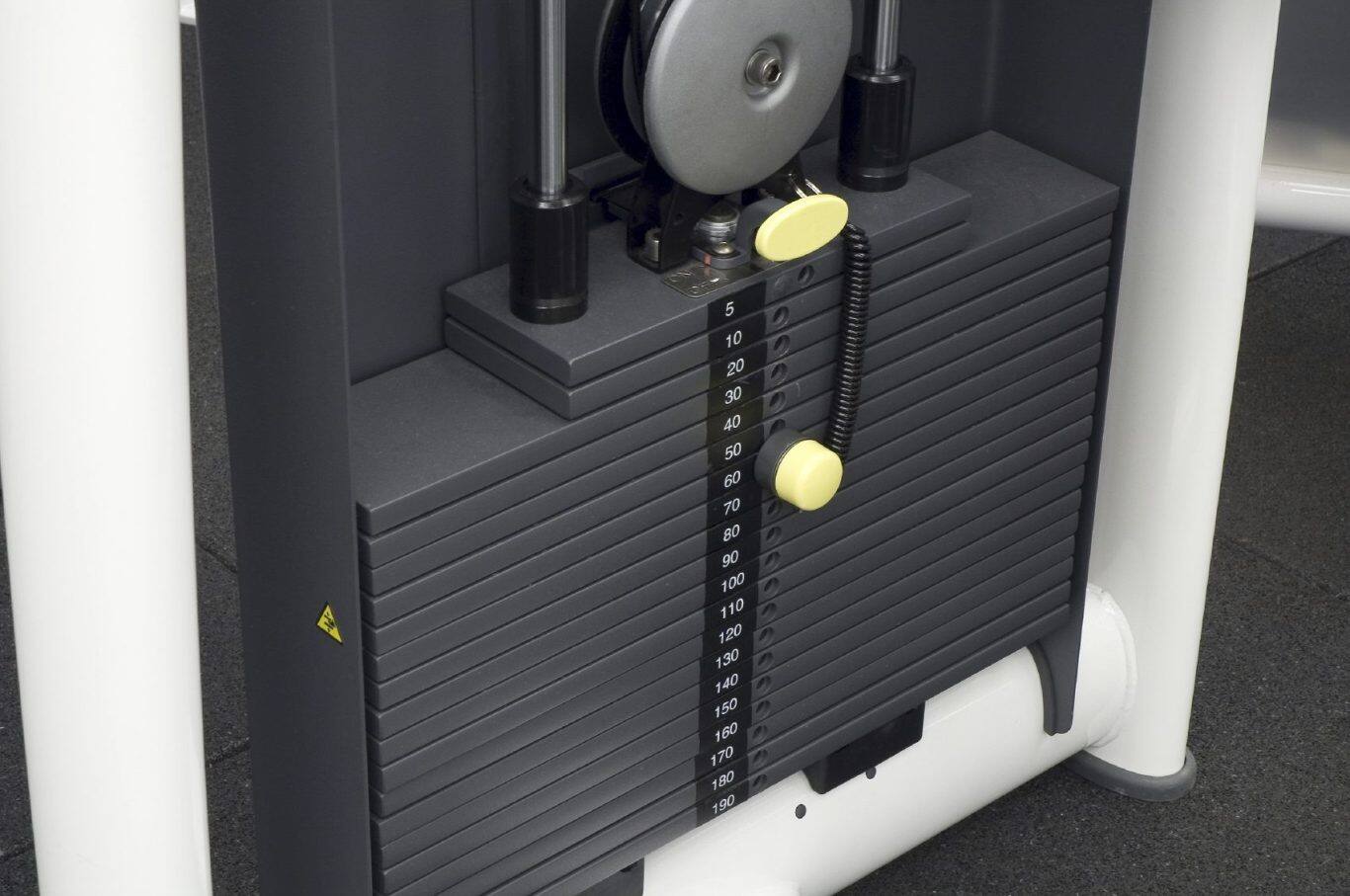
- Weight stack guide rods — pitting, rust film, plates start to feel rough or bind. Pitted rods chew through bushings and the stack never runs smoothly again.
- Cables and end fittings — rust at swage fittings, stiffness, surface discoloration. Corrosion at the fitting is where cables fail, and it is the hardest spot to inspect.
- Chrome tubing and hardware — speckling, pitting, orange bloom at welds and bolt heads.
- Console electronics and wiring — intermittent readings, dim display, dead functions. Condensation inside the console causes faults that look random.
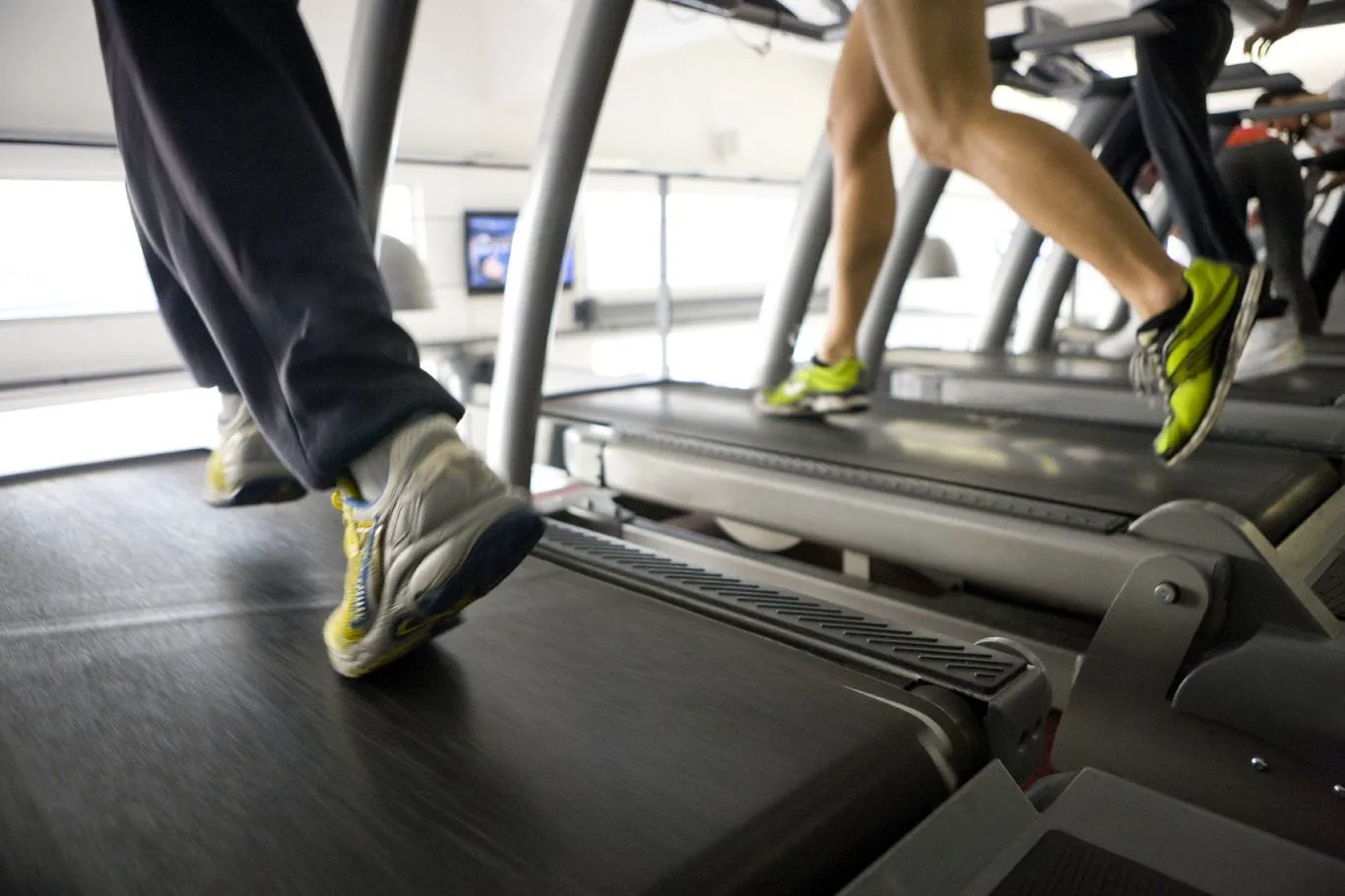
- Treadmill deck and belt — faster drying, glazing, stiffness. Heat accelerates the loss of lubrication, which overloads the motor and control board.
- Upholstery and grips — cracking, hardening, sun fading. Heat and UV break down vinyl and foam far faster than normal use does.
Step-by-Step Care
1. Get the equipment off bare concrete
Concrete slabs wick moisture and stay cool, which makes them a condensation surface. Rubber horse-stall mats or interlocking gym flooring create a barrier, reduce moisture at the base of the frame, protect the slab, and cut noise. This is the single highest-value thing you can do.
2. Control the humidity, even a little
A garage dehumidifier makes a genuine difference, particularly if the space is reasonably well sealed. If a dehumidifier is not practical, a fan running during humid stretches to keep air moving still helps considerably.
3. Position away from the garage door
The area nearest the door takes the most temperature swing, the most driven rain, the most blowing dust, and near the coast the most salt air. Put equipment against an interior wall where conditions are steadier, and keep it out of direct sun through windows.
4. Give electronics a break from the heat
If a machine will sit unused through the hottest part of summer, consider covering the console with a light cloth to shield it, and remove batteries from any battery-powered console so they cannot leak.
5. Keep the space swept
Garage dust is grit, and grit is abrasive. It works into treadmill motor compartments, rower rails, roller tracks, and weight stack rods, where it becomes a grinding compound. Sweep or vacuum the area regularly.
6. Watch for pests and prepare for storms
Warm equipment housings attract insects and rodents. For storm season: unplug machines when a storm is coming, move equipment away from the garage door before a wind event if you can, and do not power on any machine that has been standing in water until it has been inspected.
Recommended Schedule
| How Often | What to Do |
|---|---|
| After every use | Wipe down everything you touched. Sweat plus humidity is far more corrosive than either alone. |
| Weekly | Wipe chrome surfaces, posts, and hardware dry. Look for the first speckling of surface rust. |
| Monthly | Clean and lightly lubricate weight stack guide rods. Inspect cables at end fittings. Check treadmill belt for dryness. |
| Quarterly | Full visual inspection for corrosion at welds, inside shrouds, and around console seams. Address surface rust before it pits. |
| Twice yearly | Professional preventive maintenance. In coastal and unconditioned spaces, annual is often not enough. |
When to Call Us
- You are seeing rust or corrosion that is beyond surface film
- A treadmill in the garage has started overloading the breaker or smells like burning
- Console functions have become intermittent or died without an obvious cause
- Equipment has been exposed to water — do not power on until it has been inspected
- You want a twice-yearly service program matched to Florida's climate demands
A preventive maintenance visit includes internal cleaning of motor compartments, corrosion inspection at the points that actually matter, lubrication, hardware torqued to specification, and full operational testing.
Frequently Asked Questions
- What fitness equipment problems are most common in Florida garage gyms?
- The most common issues are rust and pitting on weight stack guide rods and barbell shafts, cable corrosion at swage fittings, chrome speckling and hardware rust, intermittent console electronics from condensation, faster treadmill belt degradation as heat drives out lubrication, and cracking or hardening of upholstery and grips from UV exposure.
- Should I put a rubber mat under fitness equipment in a Florida garage?
- Yes — a rubber mat or interlocking gym flooring is one of the highest-value steps you can take. Concrete slabs wick moisture and stay cool, making them a condensation surface. A mat creates a barrier that reduces moisture at the base of the frame, protects the slab, and cuts noise. Frames sitting directly on concrete corrode from the base up.
- How do I protect a treadmill in an unconditioned Florida garage?
- Lubricate the deck more frequently than the manual specifies, because heat accelerates the loss of lubrication and overloads the motor and control board. Keep the machine off bare concrete. Run a dehumidifier if practical. Cover the console with a light cloth when the machine is not in use to shield it from heat and dust.
- What should I do with garage gym equipment before a hurricane or major storm?
- Unplug all machines before a storm arrives. If a wind event is coming, move equipment away from the garage door if possible — the door area takes the most driven rain and impact. Do not power on any machine that has been standing in water until it has been professionally inspected.
Download the free PDF guide: The Florida Garage Gym Guide (PDF)
Back to all maintenance guides.
Heartbeat Fitness Repair — Tampa Bay, FL. Call 727-512-5120 or book online.