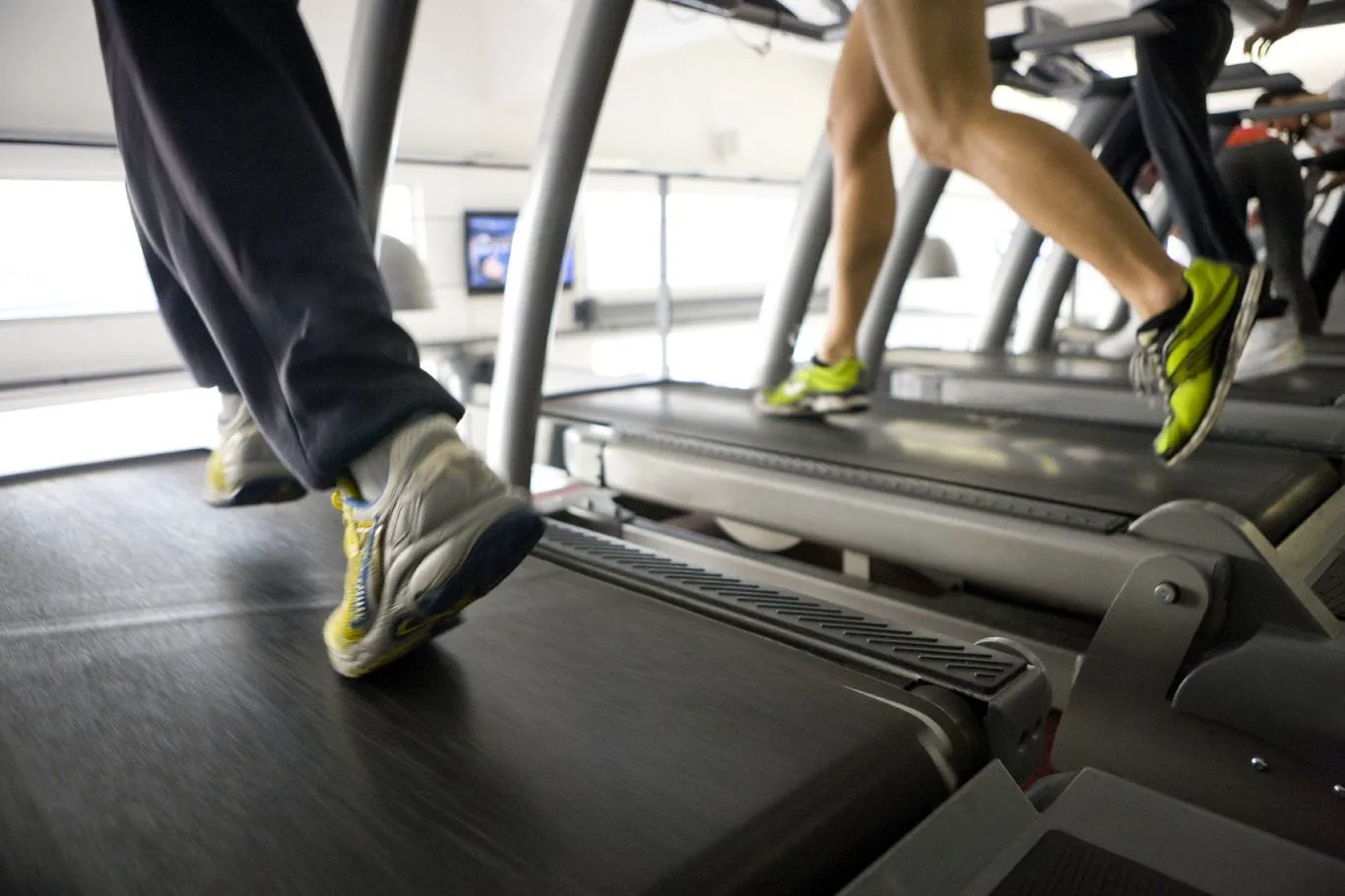
Planning a Fitness Equipment Move
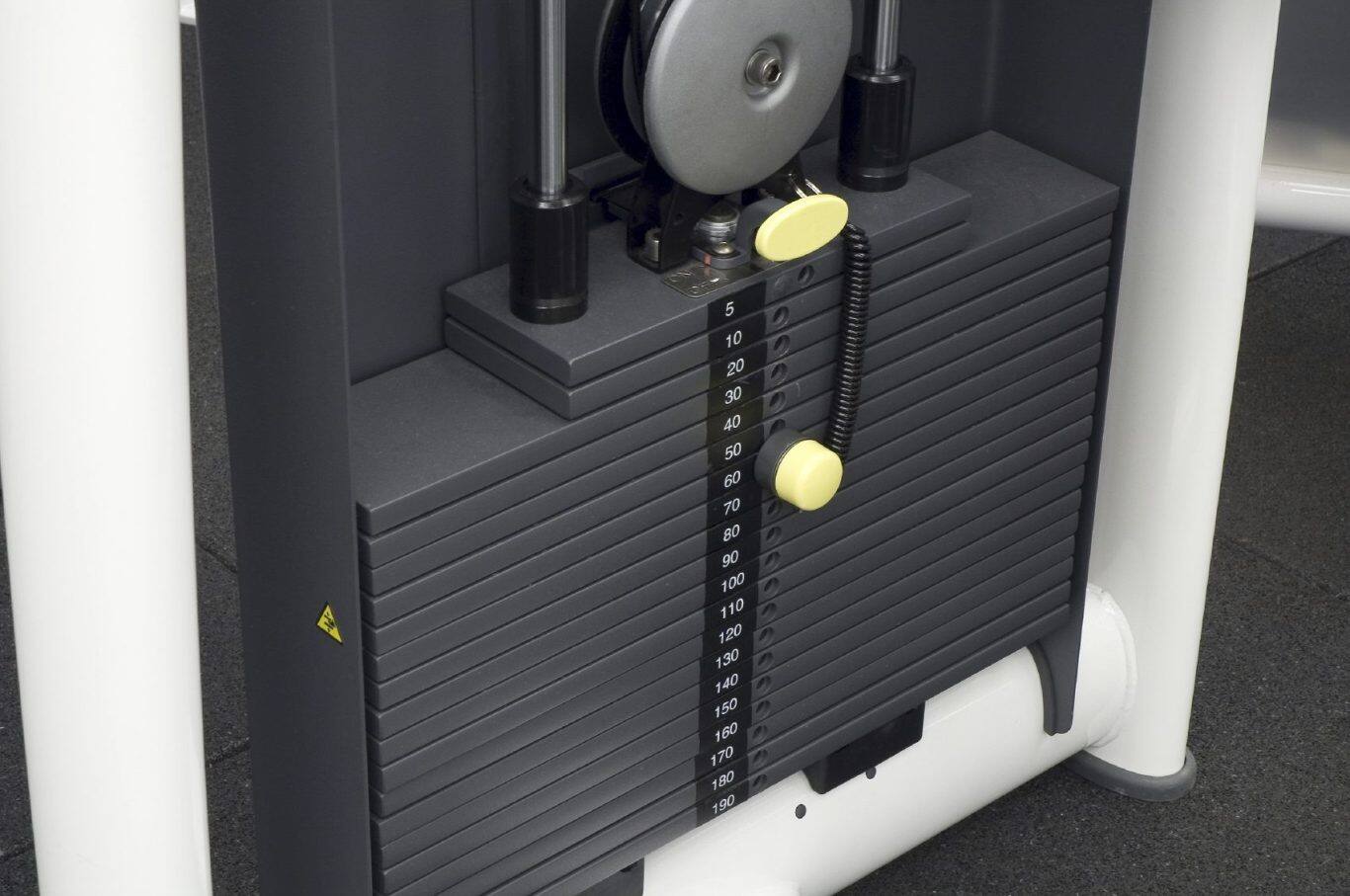
What to Know Before Your Equipment Gets Relocated
Direct answer: start planning at least four weeks before the move date, and use a specialist for disassembly and reassembly rather than general movers. Fitness equipment is the thing people forget about until the week of the move, and then it becomes the most stressful item in the house. A treadmill or elliptical is a precision assembly that has to come apart in a specific order, travel without damaging its own components, and go back together correctly to work. Planned properly, it is a straightforward job.
Planning timeline
- 4 weeks before — Decide what is moving and what is being sold or donated. Confirm the destination has power and space. Schedule the equipment move.
- 2 weeks before — Confirm the exact placement location at the destination. Measure doorways and the route if the move is within a residence.
- 1 week before — Clear the route and the destination area. Locate manuals, safety keys, and any original hardware.
- Move day — Disassembly, transport, reassembly, adjustment, calibration, and full testing.
- After — Use the equipment before the general movers leave the property, so anything unexpected surfaces while help is still available.
What to prepare before move day
- Clear the route from the equipment to the exit, and clear the destination area
- Confirm the destination has a suitable outlet — treadmills often require a dedicated circuit
- Measure the destination space including clearance around and behind the unit
- Locate manuals, safety keys, and any original assembly hardware
- Note the make, model, and serial number of each unit
- Confirm floor type at the destination — a rubber mat is recommended on concrete
Step-by-Step Care
1. Pre-move assessment
Both the equipment and the route are evaluated. We document the operating condition of each unit before work begins, identify the route, and confirm the destination has adequate clearance and access to a suitable outlet.
2. Disassembly
Units are powered down and disconnected, then broken down as far as the route requires. All fasteners are bagged, labeled, and kept with their corresponding components.
3. Handling and transport
Everything is moved using proper equipment dollies, straps, and whatever additional equipment the job requires.
4. Reassembly and installation
Units are reassembled at the destination. Hardware is torqued to manufacturer specification, wiring harnesses are reconnected and properly routed, and each unit is leveled and stabilized.
5. Adjustment, calibration, and testing
Belts tracked and tensioned, moving components checked for alignment, lubrication and calibration performed as needed. Each unit is run through its full range of function and all safety features verified.
When to Call Us
- You are planning a move and need equipment disassembled, transported, and reassembled
- A machine has arrived at the new address and does not work correctly after a general mover handled it
- You want the equipment moved before the general movers arrive to keep it off the critical path
- You are unsure whether a machine is worth moving or should be sold or donated first
We handle disassembly, transport, reassembly, adjustment, calibration, and full operational testing — whether that is across a house, across town, or into a new build. Your equipment arrives working and confirmed to manufacturer specification, not just delivered.
Frequently Asked Questions
- Can general movers safely relocate fitness equipment?
- General movers can physically transport fitness equipment, but they typically do not disassemble, reassemble, calibrate, or test it. A treadmill or elliptical moved without proper disassembly and reassembly often arrives not working correctly. If a machine arrives damaged after a general mover handled it, we can assess and correct the installation.
- How far in advance should I schedule a fitness equipment move?
- Schedule the equipment move at least four weeks before the move date. This gives time to confirm the destination has suitable power and space, measure doorways and routes if the move is within a residence, and clear the access path. Equipment coordinated in the final days before a general move becomes the most stressful item in the house.
- What does professional fitness equipment relocation include?
- A professional equipment move includes pre-move assessment of the unit and route, disassembly in the correct sequence with all fasteners bagged and labeled, proper transport using equipment dollies and straps, reassembly at the destination with hardware torqued to spec, and full adjustment, calibration, and operational testing before the job is complete.
- What power requirements should I confirm before relocating a treadmill?
- Treadmills often require a dedicated 20-amp circuit. Confirm the destination has a suitable outlet — the correct voltage, amperage, and ideally a dedicated circuit — before move day. A treadmill plugged into the wrong circuit will trip the breaker or underperform, and some damage only becomes apparent after extended use.
Download the free PDF guide: Planning a Fitness Equipment Move (PDF)
Back to all maintenance guides.
Heartbeat Fitness Repair — Tampa Bay, FL. Call 727-512-5120 or book online.