
The Condo & HOA Fitness Room
A Practical Guide for Boards and Property Managers
Direct answer: create a written inspection schedule, log every service visit, and assign one board member as the equipment point of contact. A community fitness room is one of the most-used amenities an association offers and one of the least-managed. Equipment gets installed, and then years pass with no inspection schedule, no service records, and no clear owner of the responsibility. That works fine right up until someone is injured — and then the first question anyone asks is what the association did to maintain the space.
Six things every fitness room should have
- A current equipment inventory — make, model, serial number, install date, and service history for every unit.
- A written maintenance schedule — defined inspection intervals and a professional service cadence, approved by the board and actually followed.
- A documented service history — dated records of every inspection, repair, and service visit, retained and accessible.
- A defined out-of-service process — who takes a machine offline, how it is tagged, and how quickly it gets addressed.
- Posted rules and emergency information — hours, supervision policy, age restrictions, and how to get help if someone is hurt.
- A reported-issue channel — a simple way for residents to report a problem, and a record showing what was done about it.
What we most often find in community fitness rooms
- Frayed cables on strength equipment still in daily use
- Treadmills that have never been lubricated since installation
- Missing or broken safety keys on treadmills
- Equipment out of service for months with no record of a repair request
- Loose or missing hardware on benches, handrails, and pivot points
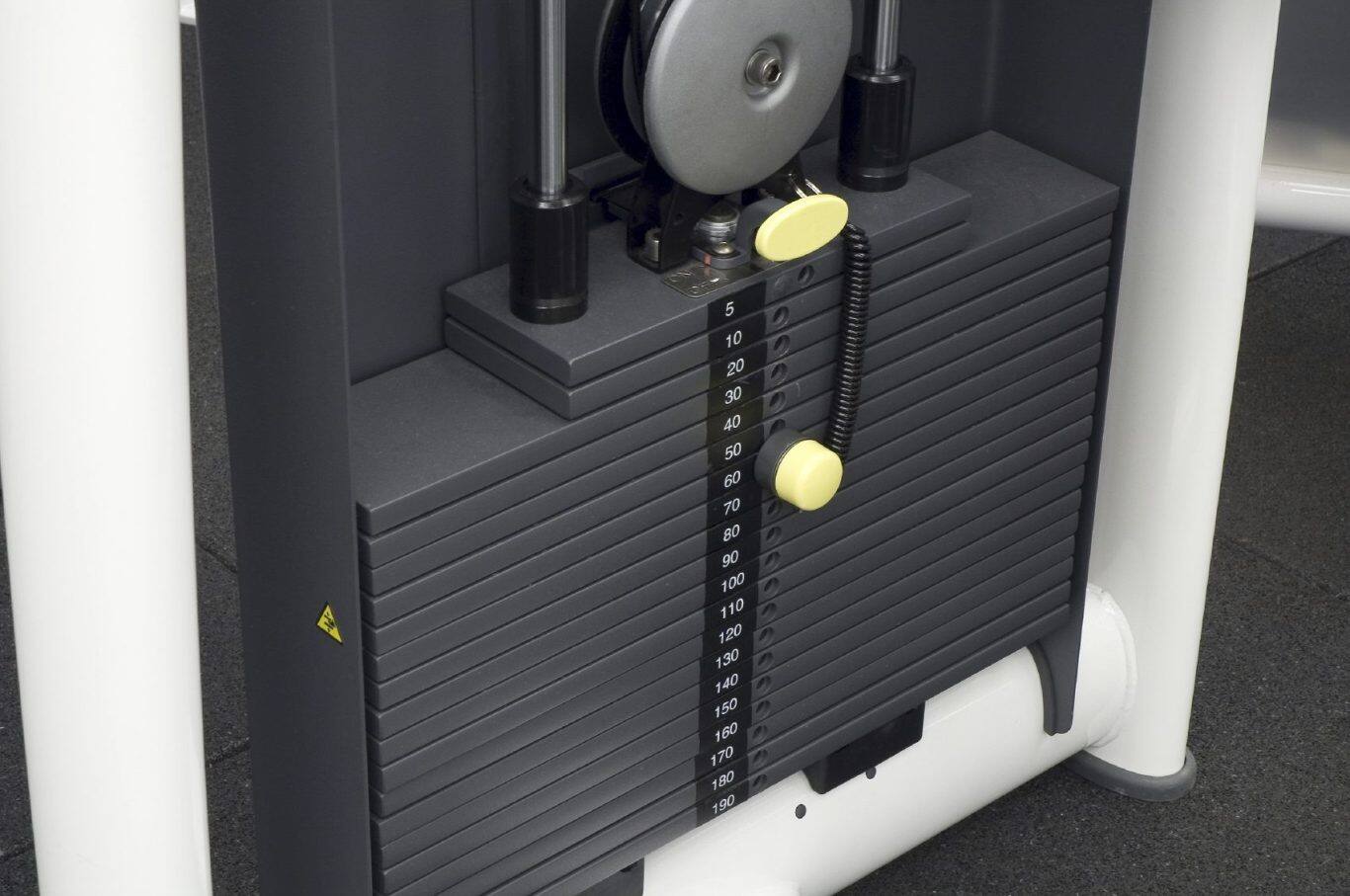
- Selector pins missing lanyards, or substituted with the wrong pin
- No serial numbers on file, making parts sourcing slow and expensive
- Split upholstery, which is a sanitation issue as well as a wear issue
Recommended Schedule
| How Often | What to Do |
|---|---|
| Daily / each cleaning | Visual walk-through: anything obviously broken, loose, leaking, or out of place. Wipe stations stocked. |
| Weekly | Brief functional check of each unit: does it power on, does resistance change, is anything making new noise. |
| Quarterly | Professional preventive maintenance on all cardio equipment, plus safety inspection of strength equipment. |
| Twice yearly minimum | Full inspection of every unit including cables, hardware torque, and internal cleaning. Written report retained. |
When to Call Us
- You need a full equipment inventory and condition assessment
- Your community has no documented maintenance schedule or service history
- A unit needs to come out of service and you need a written report for board records
- Your insurer is asking questions about fitness room maintenance documentation
- You want to set up a scheduled quarterly or semi-annual service program
We work with associations and property managers throughout Tampa Bay. We can inventory your fitness room, document the condition of every unit, and build a maintenance schedule your board can approve — with a written service report after every visit.
Frequently Asked Questions
- How often should a condo or HOA fitness room be professionally serviced?
- At minimum, professional preventive maintenance on all cardio equipment plus a safety inspection of strength equipment should happen quarterly. A full inspection of every unit including cables, hardware torque, and internal cleaning should happen at least twice yearly, with a written report retained after every visit.
- What is the most dangerous condition commonly found in community fitness rooms?
- A frayed cable on a selectorized strength machine is the most serious condition we routinely find. Cables do not fail gradually once strands begin breaking — they fail suddenly, under load, with a resident on the machine. Any unit with a visibly damaged cable should be taken out of service the same day it is discovered.
- What records should a condo association keep for their fitness room?
- A current equipment inventory with make, model, serial number, and install date for every unit. A written maintenance schedule that is actually followed. Dated records of every inspection, repair, and service visit. A log of reported issues and what was done about each one. These records answer the questions asked after an incident.
- What should a fitness room out-of-service process include?
- The process should define who can take a machine offline, how it is tagged, who is notified, and the expected turnaround for getting it serviced. A unit with a visible safety issue — frayed cable, broken handrail, missing safety key — should be tagged and removed from use the same day it is identified.
Download the free PDF guide: The Condo & HOA Fitness Room (PDF)
Back to all maintenance guides.
Heartbeat Fitness Repair — Tampa Bay, FL. Call 727-512-5120 or book online.