Complete Strength Equipment Rehabilitation at a Job Corps Facility in St. Petersburg
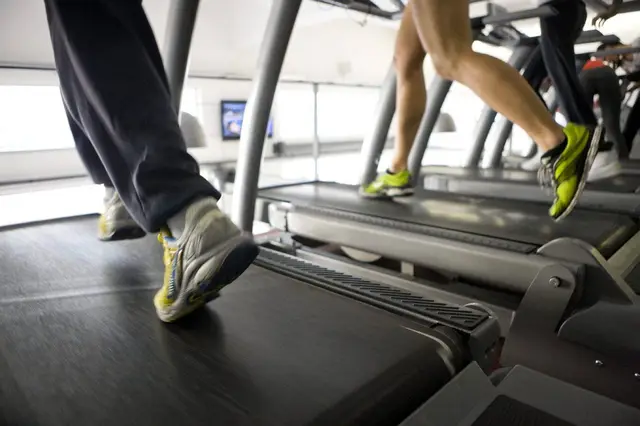
Equipment: Commercial Strength Training Equipment (Multiple Machines)
Service Type: Complete Strength Equipment Rehabilitation & Preventive Maintenance
Client: Job Corps / Department of Education Facility, St. Petersburg, FL
The Problem
Heartbeat Fitness Repair was called to a Job Corps facility in St. Petersburg to evaluate a strength-training area containing equipment that had experienced years of heavy use and inadequate maintenance.
This was not a single-machine repair.
The facility had multiple pieces of commercial strength equipment with significant wear throughout their cable, pulley, weight-stack, bearing, and adjustment systems.
During our initial inspection, it became clear that repairing one broken cable or replacing one pulley would not properly address the condition of the equipment.
The strength area required a comprehensive rehabilitation.
Many components had deteriorated to the point where continued operation could create additional equipment damage and potentially compromise the safe operation of the machines.
What We Found
Our inspection identified extensive wear throughout the equipment. Problems included:
- Cracked and worn strength cables
- Fraying cable jackets
- Stretched cables
- Cables no longer maintaining proper tension
- Worn pulley wheels
- Damaged pulley bearings
- Pulley misalignment
- Excessive play in rotating components
- Worn weight-stack components
- Damaged or missing weight-stack selector pins
- Worn bearings and bushings
- Loose hardware
- Improperly adjusted cable systems
- Binding or uneven machine movement
- Worn adjustment mechanisms
- Excessive mechanical noise
- Dirty guide rods and weight-stack assemblies
- Accumulated debris within machine frames
- Components that had not been properly serviced for an extended period
Rather than continue replacing individual components as they failed, we recommended addressing the equipment as a complete rehabilitation project.
Developing the Rehabilitation Plan
Each machine was individually evaluated so we could determine what could be restored and which components required replacement.
We documented the condition of the major mechanical systems and developed a repair plan covering the entire strength-equipment area.
Our objective was simple: restore as much of the existing commercial equipment as practical instead of forcing the facility into unnecessary equipment replacement.
The project required extensive disassembly, parts replacement, cleaning, adjustment, reassembly, and testing.
Complete Cable Replacement
One of the most important areas of concern was the condition of the strength-machine cables.
Commercial strength cables operate under repeated load every time a machine is used. Over time, cables can stretch, develop cracks in their protective coating, fray near termination points, or become damaged where they travel across pulleys.
Worn cables were removed and replaced with new cable assemblies where required. During this process, we inspected:
- Cable routing
- Cable termination points
- Connection hardware
- Cable tension
- Pulley alignment
- Attachment points
- Cable travel throughout the complete exercise movement
New cables were properly routed and adjusted so the weight stacks could travel smoothly without excessive slack, binding, or improper tension.
Pulley System Rehabilitation
A new cable running across a damaged pulley will quickly become a damaged cable. For that reason, replacing the cables alone would not have been sufficient.
The pulley systems were thoroughly inspected and worn components were replaced. This included:
- New pulley wheels
- New pulley bearings where required
- Inspection of pulley mounting bolts
- Inspection of spacers and bushings
- Alignment corrections
- Verification of proper cable tracking
Each repaired pulley system was tested through its complete range of motion to ensure that the new cables remained centered and moved smoothly.
Weight Stack Restoration
The weight-stack systems also required extensive attention. We cleaned, inspected, adjusted, and rebuilt affected weight-stack components. Service included:
- Cleaning weight plates
- Cleaning guide rods
- Inspecting guide rods for damage
- Checking weight-stack alignment
- Inspecting top plates
- Checking cable attachment points
- Replacing damaged selector pins
- Replacing missing or excessively worn weight-stack pins
- Inspecting bushings and related hardware
- Adjusting weight-stack travel
The goal was to eliminate sticking, binding, uneven movement, and excessive resistance.
Bearings, Bushings and Pivot Points
Strength machines contain numerous pivot points that support arms, handles, lever assemblies, and other moving components. Years of use can create considerable wear in these areas.
We inspected pivot assemblies throughout the facility's equipment and replaced worn bearings and related components as necessary. This included evaluation of:
- Bearings
- Bushings
- Pivot shafts
- Bolts
- Spacers
- Retaining hardware
- Rotating joints
- Lever-arm assemblies
Components were cleaned, serviced, tightened, adjusted, or replaced depending on their condition.
Hardware, Structural Inspection & Cleaning
During the rehabilitation, we also inspected the structural and mounting components of each machine. We checked for:
- Loose bolts
- Missing hardware
- Improper fasteners
- Loose frame connections
- Worn adjustment points
- Seat and back-pad mounting
- Handle assemblies
- Foot platforms
- Machine leveling
- Frame stability
Loose or compromised hardware was corrected before the machines were returned to use.
A major rehabilitation also requires cleaning areas of a machine that are normally inaccessible during routine housekeeping. Equipment was opened and cleaned so that moving components could be properly inspected and serviced, removing accumulated dust, dirt, cable debris, lubricant residue, and contamination around weight stacks, pulleys, and bearing assemblies.
Cleaning is not merely cosmetic. Contamination around guide rods, pulleys, bearings, and moving components can increase friction and accelerate component wear.
Reassembly, Adjustment & Testing
After worn components were replaced, each machine was carefully reassembled. The equipment then went through an adjustment process that included cable-tension adjustment, pulley alignment, weight-stack alignment, selector-pin operation, seat and adjustment mechanisms, pivot movement, hardware torque and security, and range-of-motion verification.
The objective was to make each machine operate as a complete system rather than viewing the newly installed parts individually.
Every rehabilitated piece of strength equipment underwent functional testing before being returned to service, including complete exercise range of motion, weight-stack movement, cable tracking and tension, pulley rotation, bearing movement, selector-pin engagement, adjustment mechanisms, seat stability, handle and lever operation, machine stability, mechanical noise, and operation under resistance.
Machines were cycled repeatedly through different resistance levels so we could verify that the repairs remained consistent under load. Any remaining adjustment identified during testing was corrected before the equipment was released.
The Result
The project transformed a severely neglected strength-training area into a functional, professionally serviced collection of commercial strength equipment.
Instead of replacing an entire room of expensive machines, the facility was able to extend the useful life of its existing equipment through comprehensive rehabilitation.
The project included extensive replacement and restoration of new cables, new pulleys, new bearings, new weight-stack selector pins, serviced guide rods, rebuilt mechanical assemblies, adjusted weight stacks, repaired pivot systems, secured hardware, and cleaned and serviced machines.
Most importantly, the project addressed the equipment as a complete system rather than simply waiting for the next component to fail.
Why This Repair Matters
Commercial strength equipment can remain in service for many years when its mechanical systems are properly maintained. The frames of many commercial machines are extremely durable. What commonly wears first are the components that move:
- Cables
- Pulleys
- Bearings
- Bushings
- Selector pins
- Adjustment mechanisms
- Hardware
- Guide systems
When these items have been neglected for years, a facility may assume that replacing the entire machine is the only option. Often, it isn't. A properly executed rehabilitation can breathe new life into commercial equipment while avoiding the substantial cost of replacing an entire strength-training area.
This project illustrates the difference between repairing what broke today and restoring the equipment so it can continue operating tomorrow. Replacing only the most obviously damaged cable would have left worn pulleys, bearings, pins, and adjustment systems behind — those components would eventually have caused additional failures. Instead, Heartbeat Fitness Repair evaluated the entire equipment system and addressed the deterioration throughout the strength area.
Institutional fitness environments create unique demands. Equipment at government, education, training, and workforce-development facilities may serve a large number of users and experience substantial daily wear. Projects can range from repairing a single machine to rehabilitating an entire fitness facility.
Call 727-512-5120 or book online. Back to Case Studies.