Annual Preventive Maintenance Across a Regional Hospital System

Equipment: Cardio, Strength & Clinical Rehabilitation Equipment Fleet (Multi-Campus)
Service Type: Annual Preventive Maintenance & Biomedical Safety Inspection Program
Client: A Regional Hospital System, West Central Florida
The Problem
A regional hospital system operating multiple campuses across West Central Florida came to Heartbeat Fitness Repair the way most institutional clients do — with a single machine down.
What became clear quickly was that the same problem was recurring across departments: cardio and strength equipment in the fitness and rehab areas, plus clinical modalities like electrotherapy, ultrasound, and hot-pack therapy units, were being serviced only after something failed.
Each campus had its own equipment history, its own wear patterns, and no standing inspection schedule tying it together.
For a health system, that's not just an equipment-uptime problem. Equipment used in patient care needs a documented, recurring safety inspection — not a reactive repair history — to satisfy accreditation and risk-management expectations.
The system asked Heartbeat Fitness Repair to design and run a standing annual preventive maintenance and safety inspection program across its campuses instead of continuing to call in one-off repairs.
Building the Program
Rather than schedule around emergencies, we set up a recurring preventive maintenance and safety inspection cycle for each campus under the system.
Each site is treated as its own scheduled inspection, sized to the equipment count at that location — full-facility PM visits at this system have covered anywhere from roughly 50 to over 85 pieces of equipment in a single engagement.
The goal is straightforward: every piece of equipment on the fleet gets inspected on a known schedule, whether or not anything has failed yet.
Working Around Patient Care
Every visit is scheduled around active clinical and patient-care hours, not the other way around. Facility representatives are notified in advance, work stays inside approved clinical areas, and equipment is returned to service the same day it's inspected.
No patient names, medical histories, or treatment records are collected or required. The only information we need is the equipment's condition and service history — not what it was used to treat.
What the Annual Inspection Covers
Each unit on a PM visit goes through the same documented inspection, not a quick glance:
- Full functional and performance testing of the unit
- Visual inspection for wear, damage, or developing mechanical issues
- Cleaning, lubrication, and calibration of moving components, sensors, and control systems
- Recording model and serial numbers for facility asset records where not already on file
- Flagging any applicable manufacturer recalls
- Documenting safety concerns for the facility's review, even ones outside the scope of routine maintenance
The Equipment Fleet
The program covers a wide equipment mix, not a single category — which is typical of a hospital's fitness, rehab, and biomedical footprint:
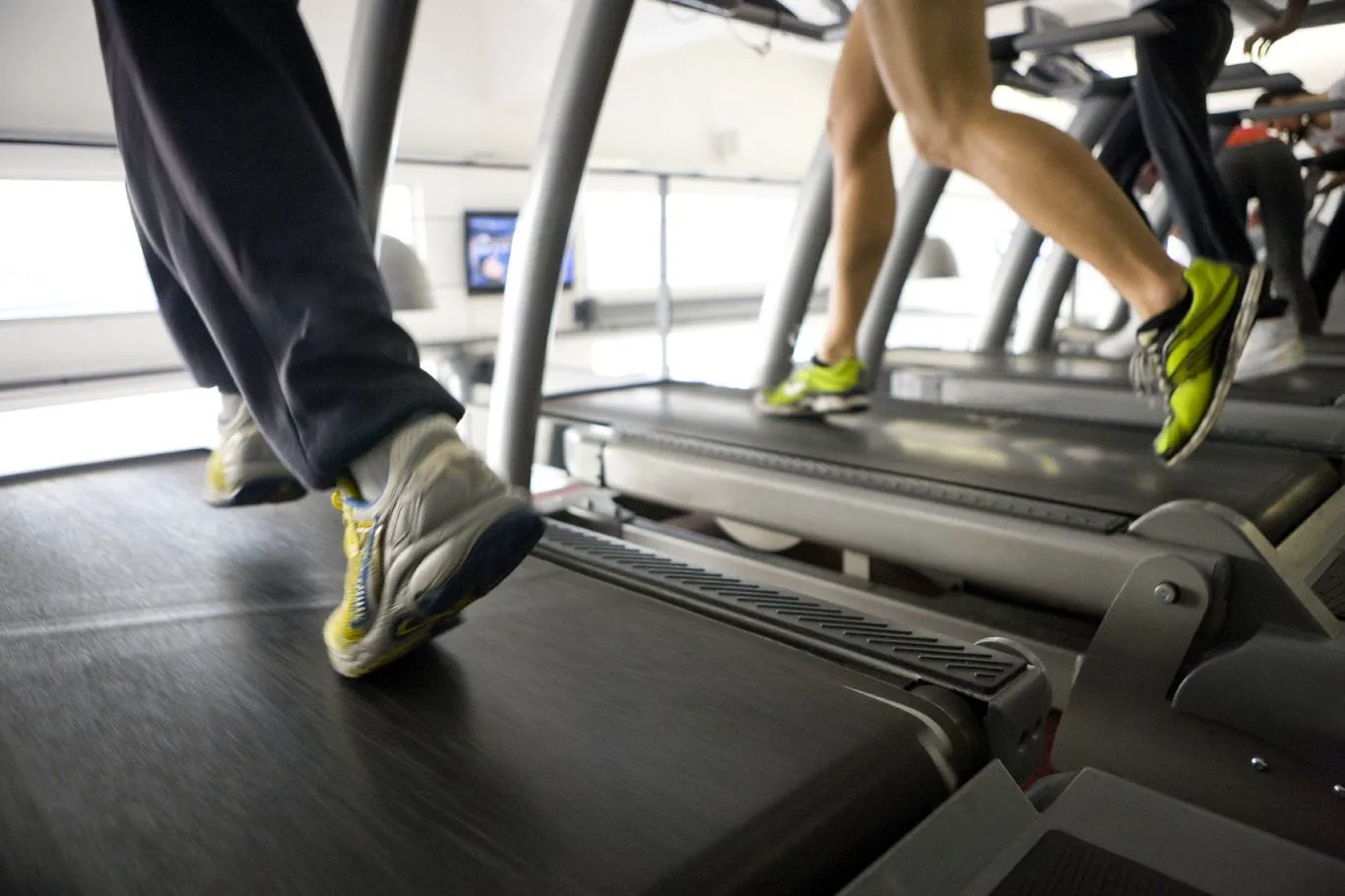
- Cardio: treadmills and recumbent bikes from Landice, Nautilus, and GE
- Strength & rehab: NuStep recumbent steppers, SciFit ergometers, and Biodex rehabilitation equipment
- Clinical modalities: Chattanooga Intelect electrotherapy and ultrasound units, Henley FluidoTherapy dry-heat units, and hydrocollator hot-pack systems
- Transport & support equipment: Stryker gurneys
Documentation the Facility Can Actually Use
Every inspection ends with a written report, not a verbal all-clear. Each unit gets a pass/fail status, and units that pass are marked with a biomedical inspection sticker so staff can confirm at a glance that a machine is current.
Anything short of a clean pass — wear that isn't yet a failure, a component approaching the end of its service life, a safety concern — is documented and handed to the facility for review, along with what it would take to address it.
That's the difference between a maintenance log and a repair invoice: the report exists whether or not anything broke.
The Result
In the roughly ten months since the standing program began, Heartbeat Fitness Repair has completed dozens of separate service visits across the system's campuses — a mix of scheduled preventive maintenance inspections and point repairs identified during those inspections or reported by staff in between.
Three of those visits were full-facility PM and safety inspections completed in a single engagement — one covering 71 pieces of equipment, another covering roughly 50, and a biomedical inspection scope covering roughly 88 units at a third campus.
More than 20 individually tagged assets have been logged and are now tracked under the program, spanning cardio, strength, rehab, and clinical modalities across multiple buildings.
The system now has a documented service and inspection history for its equipment fleet — the kind of record a facility needs on hand before an accreditation survey or a capital budget conversation, not one it has to reconstruct after the fact.
Why This Repair Matters
A rehab or physical therapy practice manager evaluating a repair vendor isn't really asking who can fix a treadmill. They're asking a narrower question: can this vendor operate inside a regulated clinical environment, on a schedule, without creating problems. A standing hospital-system contract is direct evidence of that, because it requires:
- Working around active patient hours without disrupting care
- Documented, repeatable inspection procedures
- Written reports a facility can hand to an accreditation surveyor or risk manager
- Consistent scheduling across multiple locations under one agreement
- Discretion around a clinical environment's information and access rules
- A track record that holds up over months, not a single good visit
None of that is specific to hospitals. A physical therapy clinic has the same patient-hours constraint, the same equipment mix of cardio, strength, and clinical modalities, and the same need for documentation it can point to if a machine is ever questioned.
The scale is different — a single-location PT practice isn't scheduling an 85-unit inspection — but the program is the same one: a recurring, documented preventive maintenance schedule instead of waiting for the next machine to fail.
This is what a standing biomedical and rehab-equipment maintenance program looks like in practice — not a single repair we can point to, but a system a regional hospital network has trusted across multiple campuses, on a recurring schedule, for the better part of a year and counting.
Call 727-512-5120 or book online. Back to Case Studies.