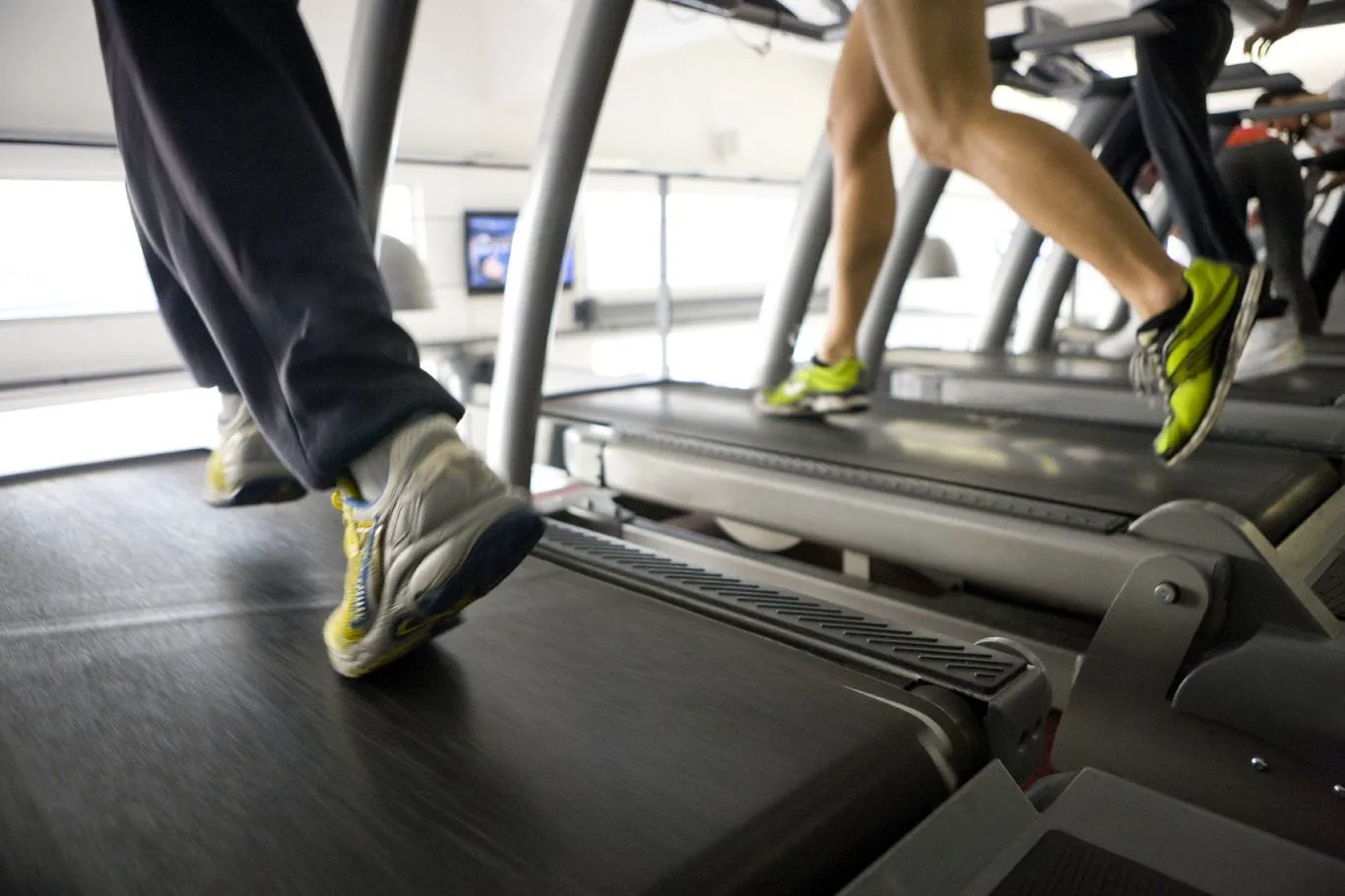
Fitness Equipment Service for Senior Living Communities
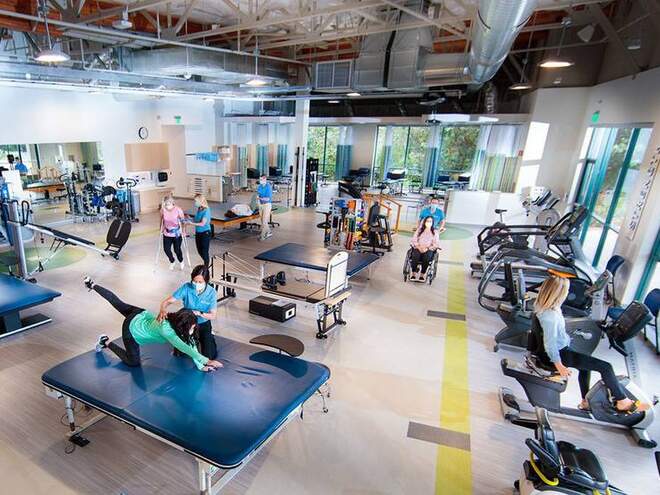
Fitness centers in senior living communities carry an unusual burden. Equipment is used daily by residents with limited mobility and balance concerns, it's often unsupervised, and a machine that's malfunctioning isn't just inconvenient — it's a resident safety issue.
Heartbeat Fitness Repair services fitness centers in independent living, assisted living, and continuing care retirement communities throughout Tampa Bay. We handle repair, calibration, preventive maintenance, and scheduled inspection programs.
Call 727-512-5120 or schedule service online.
In a senior living fitness room, the equipment residents rely on most — NuStep recumbent cross trainers, step-through SciFit units, and handrail-assisted treadmills — has to hold up to daily, largely unsupervised use by people with limited mobility, which puts extra pressure on seat mechanisms, access points, and drive systems.
Equipment We Service
Senior living fitness rooms are typically built around low-impact, accessible equipment:
- NuStep recumbent cross trainers — the most common piece in senior fitness settings
- SciFit step-through and wheelchair-accessible units
- Biodex rehabilitation equipment — treadmills, bikes, and recumbent steppers
- Recumbent bikes — Life Fitness, Precor, Matrix, SciFit
- Upper body ergometers
- Treadmills — often with handrail-assisted, low-speed use patterns
- Selectorized strength equipment and functional trainers
- Leg press and seated strength stations
Why Senior Communities Choose Us
Resident safety comes first. A treadmill with an intermittent belt slip or a strength machine with a worn cable is a fall risk in a population where a fall has serious consequences. We inspect for the failure modes that matter in this setting and flag safety concerns explicitly in every service report.
Unsupervised use makes preventive maintenance more important. In a staffed gym, someone notices when a machine sounds wrong. In a resident fitness room at 6:00 AM, nobody does. Scheduled maintenance catches problems before a resident does.
We work around resident schedules. Fitness rooms in senior communities are busiest in the early morning. We're available from 5:00 AM and can schedule around your peak hours.
Documentation for your records. Written service reports for every visit, including equipment identification, condition ratings, and any safety concerns — suitable for facility maintenance files and liability documentation.
Multi-property programs. If you operate several communities across Tampa Bay, we can service them under a single scheduled program.
Common Issues in Senior Living Fitness Rooms
High-cycle, low-intensity wear. Equipment runs many hours daily at low resistance. That produces bearing, bushing, and linkage wear rather than the motor and belt failures typical of high-intensity settings.
Seat and access mechanism problems. Recumbent seat rails, swivel seats, and step-through frames see constant adjustment and are frequent failure points.
Console and display issues. Residents rely on clear displays. Faded or failing consoles reduce usage and generate complaints.
Deferred maintenance compounding. A machine that's been mostly working for six months usually has several small issues that are cheaper to address together than separately.
What Fails First in This Equipment
- NuStep seat rails and arm linkages: sticking or rough seat travel, a grinding sound during use, or looseness at the arm pivot points.
- SciFit step-through and accessible units: resistance that won't hold a set level or a step-through frame that develops play at the entry point.
- Biodex cardio equipment: recumbent stepper linkages losing smoothness or a treadmill belt tracking off-center.
- Treadmill belts and motors: belt slip under a slower, handrail-assisted gait pattern, and drive motors hesitating on startup.
- Selectorized strength and leg press: a carriage or selector pin that doesn't seat evenly, more noticeable at the lighter weight settings this equipment sees most.
Our Calibration Process
- On NuStep units, we check that the seat travels smoothly through its full range and that resistance responds evenly as it's adjusted from the console.
- On SciFit step-through equipment, we verify the resistance system holds a consistent level rather than stepping down partway through a session.
- On handrail-assisted treadmills, we confirm the belt's actual speed matches the console display, since these units often run at lower, closely-matched speeds for residents with limited mobility.
- On cable and strength equipment, we check tension and travel across the full range of motion.
- Where a machine has drifted out of spec, we adjust it back and record both the reading we found and the reading we left it at.
Service Documentation
Every visit produces a written service report including asset tag and serial number, location in facility, itemized work performed, parts replaced, operational status, a five-point condition rating, safety concerns for facility staff, and recommended future repairs with cost estimates and follow-up timeline. Reports are signed by the technician with a facility representative acknowledgment line.
What Each Line on Your Service Report Means
- Equipment identification: ties the report to one specific machine, useful once a community has more than one of the same model across different rooms or buildings.
- Work order reference and date: gives you a timeline of how often a particular machine has needed attention.
- Itemized description of work performed: tells your facility exactly what changed, not just that a technician was on-site.
- Operational status: the fastest way for staff to know whether a machine is safe for resident use right now, without needing to track down whoever was here.
- Five-point condition rating: flags equipment sliding toward failure before it becomes a fall risk or a safety issue.
- Parts replaced: builds a history so a recurring issue is visible instead of looking like something new each time.
- Safety concerns, flagged explicitly: gives staff something concrete to act on immediately, since fitness rooms here are often unsupervised.
- Future repairs recommended, with cost and timeline: turns the report into a planning tool for your maintenance budget instead of a surprise expense.
In a senior living setting, the safety-concerns line and the five-point condition rating do the most work, since they give facility staff a clear, non-technical answer about whether a machine is safe for a resident to use unsupervised before the next scheduled visit. The parts-replaced history is also useful here specifically, because equipment in these rooms tends to run continuously at low intensity for years, and knowing what's already been replaced helps predict what's likely to need attention next.
Frequently Asked Questions
- Do you service NuStep machines in senior living facilities?
- Yes. NuStep recumbent cross trainers are the most common equipment we service in senior living communities across Tampa Bay.
- Can you inspect our entire fitness room at once?
- Yes. A full-room inspection covering every machine is typically more cost-effective than individual service calls, and it's how most of our senior living clients work with us.
- Do you provide documentation for our maintenance and liability records?
- Yes. Every visit produces a written service report documenting equipment identification, work performed, operational status, condition rating, and any safety concerns for facility staff.
- Can you formally remove a machine from service?
- Yes. Our service reports include a condemned / do-not-use status designation for equipment that should not remain in resident use, which gives your facility written documentation of the removal.
- Do you work with management companies operating multiple communities?
- Yes. We service multi-property portfolios across Tampa Bay under scheduled maintenance programs.
- Do you calibrate equipment?
- Yes. We calibrate and verify equipment to manufacturer specification, including treadmill speed and incline, resistance systems, and cable tension and travel on strength equipment.
- What does service cost for a senior living facility?
- Facility service is quoted separately from residential rates based on equipment count, service frequency, and location. Call 727-512-5120.
BBB Accredited Business

Heartbeat Fitness Repair is fully licensed and insured, and a BBB Accredited Business with a clean complaint history. Verify our BBB profile →
Call 727-512-5120 or book online. Back to Biomedical Service, or request a facility quote.